

Retina Check-up
Home >> Retina Check-up
All services
Protect Your Vision with a Comprehensive Retina Check-up in Pune
Comprehensive Retina Care for Early Detection and Better Vision
The retina is one of the most important parts of the eye. It is a thin layer of light-sensitive tissue located at the back of the eye that captures images and sends visual signals to the brain. A healthy retina is essential for clear vision, reading, driving, recognizing faces, and performing daily activities comfortably.
Many retinal conditions develop gradually and may not show symptoms during their early stages. By the time vision changes become noticeable, some damage may already have occurred. This is why regular retinal examinations are important, especially for individuals with diabetes, high blood pressure, increasing age, or a family history of retinal diseases. A comprehensive Retina Check-up in Pune helps detect retinal abnormalities early, allowing timely treatment and better protection of long-term vision.
Understanding the Role of the Retina
The retina works like the camera sensor of the eye. It receives light entering through the cornea and lens and converts it into electrical signals that travel through the optic nerve to the brain.
When any part of the retina becomes damaged, vision may become blurred, distorted, or reduced. Because retinal tissue is delicate and highly specialized, early diagnosis and appropriate management are extremely important.
Retinal diseases can affect people of all ages. Some conditions are age-related, while others occur due to diabetes, injuries, inflammation, inherited disorders, or blood vessel abnormalities.
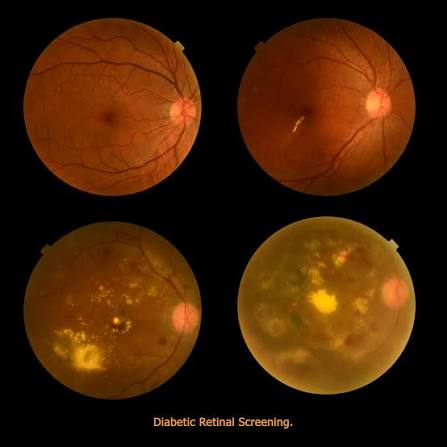
Why Regular Retina Examinations Matter
Many retinal conditions begin silently. Patients often feel that their eyesight is normal even when changes are occurring inside the eye.
A detailed retinal evaluation allows doctors to identify:
- Early retinal damage
- Diabetic retinal changes
- Macular disorders
- Retinal tears
- Retinal detachments
- Blood vessel abnormalities
- Age-related retinal conditions
Detecting these problems early improves treatment outcomes and helps preserve vision.
Common Symptoms of Retinal Problems
Retinal disorders can produce different symptoms depending on the affected area and severity of the condition.
Warning signs may include:

Blurred or fluctuating vision
Dark spots or floaters in sight
Difficulty seeing at night
Colors appearing faded or dull

Sudden vision loss or blind spots
Any sudden change in vision should be evaluated promptly by an eye specialist.
Importance of Routine Retinal Screening
Diabetes can affect the eyes long before symptoms become apparent. This is why regular Retinal Screening is recommended for all diabetic patients. Comprehensive retinal assessment helps identify subtle changes before they begin affecting vision.
During a retinal evaluation, the doctor carefully examines the retina for signs of leakage, swelling, abnormal vessel growth, or other diabetes-related changes. Early detection allows treatment to begin before permanent visual damage occurs.
Many patients seeking a Diabetic Retina Check-up in Swargate benefit from routine screening because it helps detect retinal changes at a stage when treatment can be most effective.
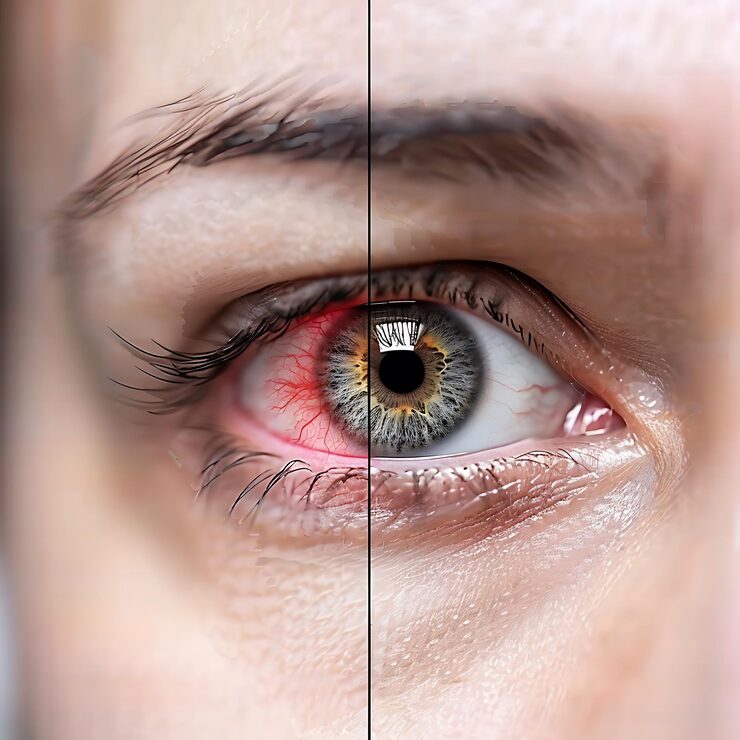
Retinal Diseases That Can Affect Vision
Several conditions can affect retinal health and visual function.
Diabetic Retinopathy
Diabetes is one of the most common causes of retinal disease worldwide. Elevated blood sugar levels can damage small retinal blood vessels, causing leakage, bleeding, and swelling. Over time, untreated diabetic retinopathy can significantly affect vision and may lead to severe visual impairment.
Retinal Tears and Retinal Detachment
A retinal tear occurs when the retina develops a break. If fluid enters through this tear, the retina may separate from the back of the eye, resulting in retinal detachment. This condition requires urgent medical attention because delayed treatment may result in permanent vision loss.
Macular Disorders
The macula is the central part of the retina responsible for detailed vision. Conditions affecting the macula can interfere with reading, driving, and recognizing faces.
Retinal Vascular Disorders
Blood vessel abnormalities can affect retinal circulation and impair vision. Early diagnosis helps prevent complications and preserve visual function.
Diabetic Eye Disease and Retinal Health
Diabetes affects millions of people and remains one of the leading causes of preventable vision loss. High blood sugar levels can gradually damage the retinal blood vessels. These vessels may leak fluid, become blocked, or develop abnormal growth patterns that affect retinal function.
Many patients do not experience symptoms during the early stages, which is why routine eye examinations are critical. A regular diabetic Retina Check-up in Pune helps identify retinal changes before they begin affecting vision. Early detection allows timely intervention and significantly improves long-term outcomes.
Importance of Retinal Screening for Diabetic Patients
Patients with diabetes should undergo regular retinal evaluations even when their vision appears normal.
Routine screening helps identify:
- Early diabetic retinal changes
- Retinal swelling
- Blood vessel leakage
- Abnormal vessel growth
- Vision-threatening complications
Managing blood sugar levels effectively and attending regular eye examinations are two of the most important steps in protecting vision.
Advanced Diagnostic Technology
Modern retinal care relies on advanced diagnostic equipment that provides detailed information about retinal structures. Retinal evaluation may include:
Dilated Retina Examination
Special eye drops are used to widen the pupils, allowing a detailed view of the retina and optic nerve.
Optical Coherence Tomography (OCT)
OCT imaging creates highly detailed cross-sectional images of retinal tissues and helps identify swelling, fluid accumulation, and structural abnormalities.
Fundus Photography
Digital retinal photographs help document retinal findings and allow comparison during future visits.
Retinal Imaging
Advanced imaging systems assist in diagnosing and monitoring various retinal conditions accurately. These technologies help doctors make informed treatment decisions and monitor disease progression effectively.
Treatment Options for Retinal Conditions
Treatment depends on the type and severity of the retinal disease. In some cases, observation and regular monitoring may be sufficient. Other conditions require medical or surgical intervention.
Treatment options may include:
- Medical management
- Retinal laser procedures
- Intravitreal injections
- Vitreoretinal surgery
- Long-term monitoring
Early intervention often improves treatment success and reduces the risk of permanent visual impairment.
Protecting Your Retina Through Preventive Care
Many retinal diseases can be managed more effectively when identified early. Simple preventive measures include:
- Maintaining healthy blood sugar levels
- Controlling blood pressure
- Following a balanced diet
- Avoiding smoking
- Exercising regularly
- Attending routine eye examinations
These habits support retinal health and reduce the risk of future complications.
Choosing the Right Retina Specialist
Retinal diseases often require specialized evaluation and management. Many patients consult a Retina Specialist for detailed retinal examination, advanced imaging, and personalized treatment recommendations. An experienced Retina Expert Doctor in Pune can identify subtle retinal abnormalities and recommend appropriate management strategies based on individual needs. Patients seeking long-term retinal monitoring often prefer visiting a dedicated Retina clinic in Pune where advanced diagnostic facilities and specialized retinal care are available under one roof.
Individuals looking for a Retina Check-up in Swargate can benefit from comprehensive retinal evaluation, diabetic screening, and early detection services designed to protect vision and support long-term eye health.
Importance of Early Detection
The success of retinal treatment often depends on how early the condition is diagnosed. Many retinal disorders respond well to treatment when identified in their initial stages. Delaying evaluation may allow disease progression and increase the risk of permanent visual loss. Routine retinal examinations remain one of the most effective ways to preserve eyesight and maintain visual quality throughout life.
Frequently Asked Questions
Most diabetic patients should undergo a comprehensive retinal examination at least once a year or as recommended by their eye specialist.
Yes. Early stages often have no noticeable symptoms, making routine screening extremely important.
Yes. Good blood sugar control significantly reduces the risk of diabetic retinal complications.
Some changes can be managed effectively, but prevention and early treatment remain the best approach.
Yes. Untreated diabetic retinal disease can lead to significant vision loss, which is why regular eye examinations are essential.