

Dry Eye Treatment
Home >> Dry Eye Treatment
All services
Expert Dry Eye Treatment in Swargate Pune for Healthy, Moisturized Eyes
When Your Eyes Never Feel Quite Comfortable
You blink, but the dryness does not go away. Your eyes feel gritty, tired, or slightly burning — especially after a long day at work or an hour of screen time. Sometimes they water unexpectedly, which feels contradictory, but watery eyes can actually be a sign of dryness too.This is what dry eye disease feels like for most people. It is not dramatic. It does not always cause obvious redness or pain. But it quietly affects your comfort, your concentration, and your quality of life — often every single day.
At Clear Sight Eye Care Centre, we provide Dry Eye Treatment in Swargate Pune for patients who are tired of managing discomfort without ever getting to the root of it. Our approach focuses on understanding what is causing your dry eyes specifically — because dry eye is not a single condition. It has different causes, different patterns, and different solutions for different people.
What Is Dry Eye Disease?
Dry eye disease occurs when your eyes do not maintain a stable, healthy tear film. Tears are not just water — they are a layered combination of water, oils, and mucus that work together to keep the eye surface smooth, lubricated, and protected.
When any part of this system is disrupted — either because not enough tears are produced or because they evaporate too quickly — the eye surface becomes exposed and irritated. Over time, this can affect corneal health and visual clarity.
It is a very common condition, particularly among adults over 30, people who spend long hours in front of screens, women going through hormonal changes, and individuals living in dry or polluted environments.
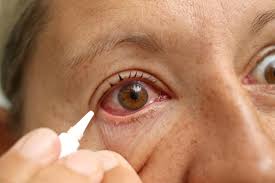
What Causes Dry Eyes?
Understanding what causes dry eyes is the first step toward managing them effectively. There is rarely just one reason — dry eye is often the result of several contributing factors coming together.
Common causes include:
- Reduced tear production due to age, hormonal changes, or certain medications
- Meibomian gland dysfunction — when the small oil-producing glands along the eyelid margins become blocked, the oily layer of the tear film is affected, causing tears to evaporate faster than they should
- Prolonged screen use, which significantly reduces how often we blink
- Air conditioning, heating systems, fans, and low-humidity environments
- Contact lens wear over extended periods
- Autoimmune conditions such as Sjogren's syndrome or rheumatoid arthritis
- Previous eye surgeries in some cases
- Antihistamines, antidepressants, blood pressure medications, and certain other drugs as a side effect
Identifying which of these factors applies to you is what makes treatment effective rather than generic.
Symptoms of Dry Eye More Than Just Dryness
Many patients are surprised to learn that their symptoms are connected to dry eye. The condition presents differently in different people, and some symptoms seem unrelated at first.

A persistent gritty or sandy feeling in the eyes

Burning or stinging sensation, especially in air-conditioned spaces
Eyes that feel tired or heavy after reading or screen use
Blurred vision that clears temporarily when you blink

Discomfort or intolerance when wearing contact lenses
If several of these sound familiar, a proper evaluation for dry eye is worth considering. Many patients live with these symptoms for months or years before realising they are treatable.
How Is Dry Eye Diagnosed?
Diagnosing dry eye accurately requires more than asking about symptoms. At our clinic, the evaluation includes a detailed slit-lamp examination of the eye surface and eyelid margins, assessment of tear film stability, and evaluation of the meibomian glands where relevant.
This thorough approach helps determine not just whether dry eye is present, but what type it is — aqueous deficient, evaporative, or a combination of both. The type of dry eye directly influences the treatment approach, which is why this step matters.
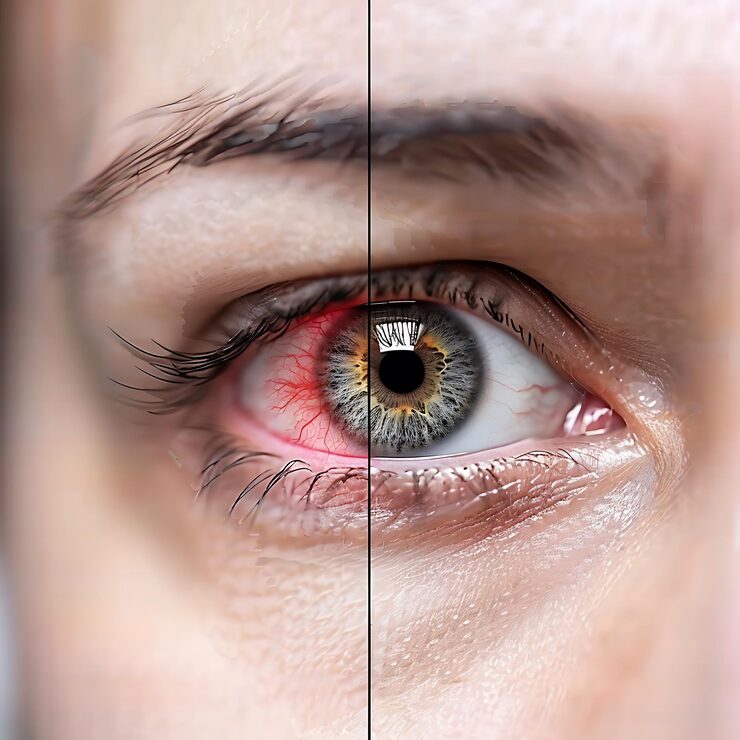
Best Treatment for Dry Eyes — What Actually Works
Patients often ask about the best treatment for dry eyes, and the honest answer is: it depends on what is causing yours. There is no single treatment that works for everyone, which is why personalised evaluation matters so much.
That said, here is what effective dry eye management typically involves:
Artificial Tears and Lubricating Drops These form the foundation of most dry eye care plans. They supplement the natural tear film and provide temporary relief. Not all lubricating drops are equal — the right formulation depends on the severity and type of dryness.
Warm Compresses and Lid Hygiene For patients with meibomian gland dysfunction, regular warm compresses help soften blocked gland secretions. Combined with gentle eyelid cleaning, this can meaningfully improve the oily layer of the tear film over time.
Prescription Anti-inflammatory Drops In cases where inflammation is contributing to dry eye, specific prescription drops may be recommended for a defined period. These help break the cycle of inflammation that worsens tear film instability.
Lifestyle and Environmental Changes Adjusting screen habits, increasing blink frequency, using a humidifier, staying well hydrated, and modifying diet to include omega-3 rich foods can all support tear film health alongside medical treatment.
Punctal Plugs In cases of significant aqueous deficiency, small dissolvable or semi-permanent plugs may be placed in the tear drainage channels to help retain natural tears on the eye surface longer.
Advanced In-Clinic Procedures For more persistent cases, clinic-based treatments targeting meibomian gland function may be considered based on the clinical findings.
How to Get Relief From Dry Eyes at Home
While medical treatment addresses the underlying cause, there are practical steps you can take at home to support dry eye relief day to day:
- Follow the 20-20-20 rule during screen use — every 20 minutes, look at something 20 feet away for 20 seconds
- Consciously blink more often when reading or using a screen
- Position screens slightly below eye level to reduce how much of the eye surface is exposed
- Avoid sitting directly in front of air conditioning vents or fans
- Stay well hydrated throughout the day
- Use preservative-free lubricating drops as recommended by your doctor
- Wear wraparound glasses outdoors on windy days
- Eat foods rich in omega-3 fatty acids such as flaxseeds, walnuts, and fish
These habits do not replace treatment, but they support it and can noticeably reduce how often your symptoms flare up.
Who Is Most at Risk for Dry Eye Disease?
Dry eye can affect anyone, but certain groups are more likely to develop it:
- Adults over the age of 40, particularly women
- People who spend more than 6 hours a day on screens
- Contact lens wearers
- Individuals in air-conditioned offices or dry climates
- Those on long-term medications such as antihistamines or antidepressants
- Patients with autoimmune conditions
- People with a history of LASIK or other refractive surgeries
If you fall into one or more of these categories and experience any of the symptoms described above, a dry eye evaluation is a sensible step.
Dry Eye Care at Clear Sight Eye Care Centre
Our clinic serves patients from Swargate and several surrounding neighbourhoods. If you are looking for a Dry Eye Specialist in Sahakar Nagar or a Dry Eye Doctor in Mukund Nagar, Clear Sight Eye Care Centre in Swargate is conveniently accessible and easy to reach from both areas.
As a trusted Eye Clinic in Swargate Pune, we combine diagnostic precision with a patient-first approach. Dr. Bhaktee Thipase, MS Ophthalmology and Cornea Surgeon, brings subspeciality expertise in ocular surface conditions — which includes dry eye disease and its overlap with corneal health. Patients receive a thorough evaluation, a clear explanation of their findings, and a treatment plan built around their specific condition and lifestyle.
FAQ'S
Not necessarily. Many patients experience significant improvement with the right treatment and lifestyle changes. In some cases — particularly where an underlying cause such as medication or environment is identified and addressed — symptoms can reduce considerably. For others, it requires ongoing management, but comfort levels improve meaningfully with consistent care.
Yes. Research consistently shows that screen use reduces blink rate significantly — sometimes by more than half. Fewer blinks mean the tear film is not being refreshed regularly, which leads to faster evaporation and surface dryness. This is one of the most common contributing factors in younger patients today.
Preservative-free lubricating drops are generally safe for regular daily use. Drops containing preservatives are fine for occasional use but may cause irritation with very frequent application. Your doctor will recommend the most appropriate formulation based on how often you need to use them.
This is one of the most common questions about dry eye. When the eye surface is irritated due to dryness, it triggers a reflex response — the lacrimal gland produces a sudden flood of watery tears. These reflex tears are not the same as the stable, layered tear film the eye needs, so they do not solve the dryness and tend to overflow instead.
Yes. An unstable tear film affects how light passes through the eye, which can cause fluctuating or slightly blurred vision — particularly during tasks that require sustained focus such as reading, driving, or screen use. This type of blurring typically improves temporarily with blinking.
If your symptoms are affecting your daily comfort, work, or sleep — or if over-the-counter drops are not providing adequate relief — it is time to see an eye doctor. Persistent dry eye that goes untreated can affect the corneal surface over time, so early evaluation is always worthwhile.