

Eye Allergy Treatment
Home >> Eye Allergy Treatment
All services
Eye Allergy Treatment in Swargate Pune to Relieve Redness, Itching, and Discomfort
Expert Care for Itchy, Red, and Watery Eyes
Eye allergies are a common problem that can affect people of all ages. They can make your eyes itchy, red, watery, swollen, and uncomfortable. Many people experience eye allergies due to dust, pollen, pollution, pet dander, smoke, seasonal changes, or certain cosmetic and eye care products. While eye allergies are usually not dangerous, they can significantly affect daily activities, work performance, and quality of life if left untreated.
If you are looking for reliable Eye Allergy Treatment in Swargate Pune, getting an early diagnosis and proper treatment can help you find relief and protect your eye health. At our Eye Allergy Clinic, we focus on identifying the cause of your symptoms and providing personalized treatment to help you feel comfortable again.
What is an Eye Allergy?
An eye allergy, also known as allergic conjunctivitis, occurs when the eyes react to an allergen. Allergens are substances that trigger an allergic response in the body. When the eyes come into contact with these substances, the immune system releases chemicals such as histamine, leading to irritation and inflammation.
Eye allergies can occur throughout the year or during specific seasons when pollen levels are high. Some people may experience mild symptoms, while others may have severe discomfort that requires professional care from an experienced eye allergy doctor.
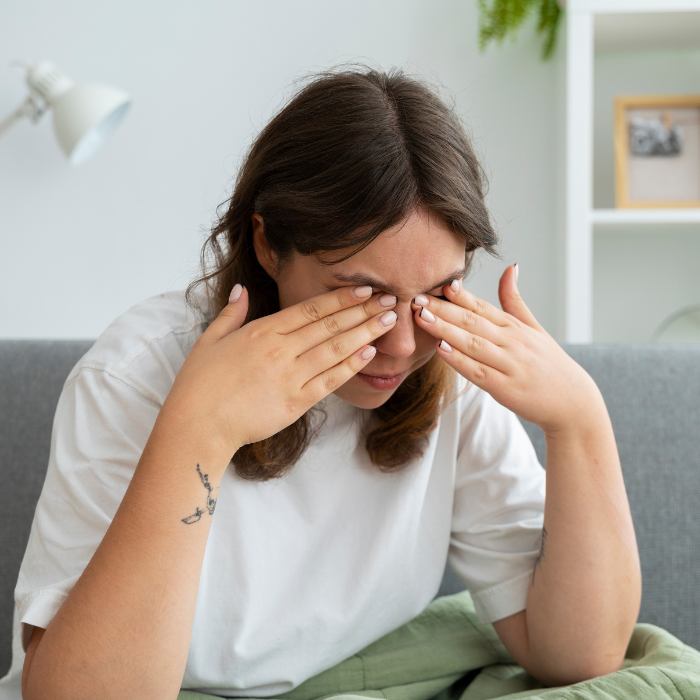
Common Causes of Eye Allergies
Several factors can trigger eye allergies, including:
- Dust mites
- Pollen from trees, grass, and flowers
- Air pollution
- Pet hair and dander
- Mold spores
- Cigarette smoke
- Strong perfumes and fragrances
- Contact lenses and lens solutions
Understanding the exact cause of your allergy is an important step in finding the best treatment for eye allergy.
How to Prevent Eye Allergies
Although allergies cannot always be prevented completely, several steps can reduce the risk of flare-ups:

Avoid Rubbing Your Eyes

Maintain Eye Hygiene
Use Protective Eyewear
Stay Hydrated

Follow Medical Advice
Using prescribed medications as directed helps control symptoms and prevent recurrence.
When Should You See an Eye Allergy Doctor?
Occasional eye irritation may not always require medical attention. However, you should consult an eye allergy doctor if:
- Symptoms persist for several days
- Over-the-counter drops are not helping
- Vision becomes blurry
- Redness becomes severe
- Swelling increases
- You experience recurring allergy episodes
- Contact lens wear becomes uncomfortable
An experienced eye specialist in Swargate can determine whether your symptoms are due to an allergy or another eye condition such as infection, dry eye disease, or inflammation.
Diagnosis of Eye Allergies
Accurate diagnosis is essential for effective treatment. During your consultation, the doctor will review your symptoms, medical history, and possible allergy triggers.
The examination may include:
- Vision assessment
- Eye surface examination
- Eyelid evaluation
- Tear film analysis
- Assessment of allergic changes in the conjunctiva
A detailed evaluation helps identify the underlying cause and allows the doctor to recommend the most suitable treatment plan.
How to Prevent Eye Allergies
Although allergies cannot always be prevented completely, several steps can reduce the risk of flare-ups:
Avoid Rubbing Your Eyes
Rubbing releases more inflammatory chemicals and can worsen itching.
Maintain Eye Hygiene
Keeping your eyes clean can help remove allergens and reduce irritation.
Use Protective Eyewear
Sunglasses and protective glasses can reduce exposure to airborne allergens.
Stay Hydrated
Proper hydration supports healthy tear production and eye comfort.
Follow Medical Advice
Using prescribed medications as directed helps control symptoms and prevent recurrence.
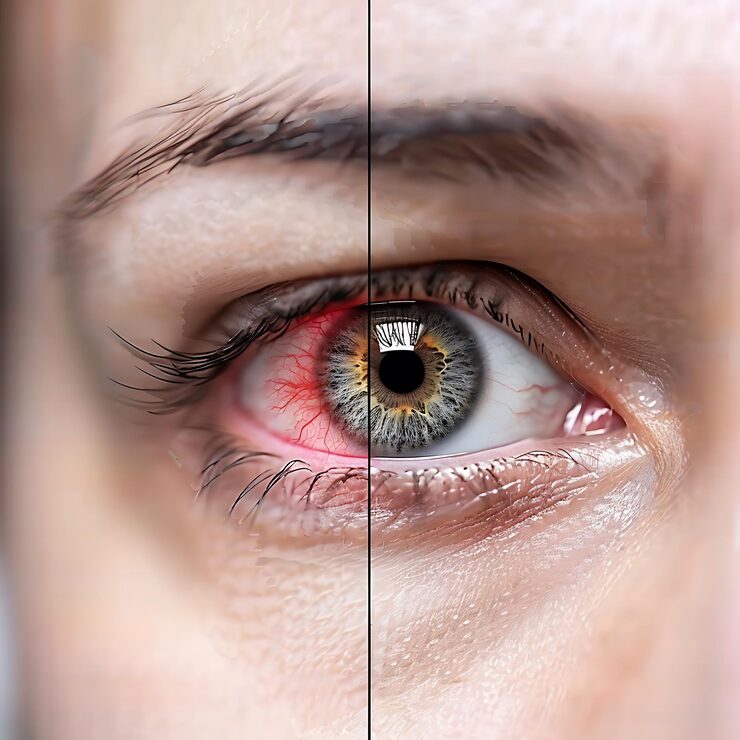
Eye Allergy Treatment in Swargate Pune
Effective treatment depends on the severity of the allergy and its underlying cause. The goal of treatment is to reduce inflammation, relieve symptoms, and prevent future flare-ups.
Allergy Avoidance
The first step in managing eye allergies is reducing exposure to allergens whenever possible. Simple measures include:
- Keeping windows closed during high pollen seasons
- Using protective eyewear outdoors
- Washing hands frequently
- Avoiding rubbing the eyes
- Cleaning bedding regularly
- Keeping indoor environments dust-free
Lifestyle modifications can significantly reduce allergy symptoms.
Lubricating Eye Drops
Artificial tears help wash away allergens from the eye surface and provide relief from irritation. These drops can be particularly useful for patients with mild allergy symptoms.
Anti-Allergy Eye Drops
Prescription eye drops help control itching, redness, and inflammation. These medications target the allergic response and provide symptom relief.
Oral Medications
In some cases, oral allergy medications may be recommended to manage systemic allergy symptoms that affect both the eyes and other parts of the body.
Advanced Allergy Management
For patients with recurrent or chronic allergies, a comprehensive treatment plan may be needed. Regular follow-up helps monitor symptoms and adjust treatment as required.
When searching for the best treatment for eye allergy, it is important to choose a clinic that offers personalized care rather than a one-size-fits-all approach.
Eye Itching Treatment
Eye itching is one of the most common and frustrating symptoms of eye allergies. Continuous rubbing can worsen irritation and even damage the delicate tissues around the eyes.
Professional eye itching treatment focuses on identifying the root cause and reducing inflammation safely. Depending on the severity of symptoms, treatment may include lubricating drops, anti-allergy medications, and preventive measures.
Patients should avoid self-medication, as incorrect use of eye drops can sometimes worsen symptoms.
Importance of Early Treatment
Many people ignore allergy symptoms and continue using home remedies without proper diagnosis. Delaying treatment can lead to:
- Chronic eye irritation
- Increased inflammation
- Frequent allergy flare-ups
- Reduced comfort while reading or working
- Difficulty wearing contact lenses
Seeking timely Eye Allergy Treatment in Swargate Pune can help prevent these complications and improve overall eye comfort.
Why Choose a Specialized Eye Allergy Clinic?
Eye allergies can sometimes resemble other eye conditions. A specialized Eye Allergy Clinic provides accurate diagnosis and targeted treatment based on individual needs.
Benefits of consulting an eye specialist include:
- Comprehensive eye examination
- Identification of allergy triggers
- Customized treatment plans
- Safe and effective medications
- Long-term symptom management
Patients often experience faster relief when treatment is guided by an experienced specialist.
Eye Allergy Specialist
If you are searching for an Eye Allergy Specialist in Sahakar Nagar, choosing a qualified ophthalmologist ensures that your symptoms are evaluated thoroughly. Professional eye care can help determine whether your condition is caused by allergies, infection, dry eyes, or another underlying issue.
A specialist can recommend the most effective treatment based on your specific symptoms and lifestyle requirements.
Eye Allergy Doctor in Mukund Nagar
Finding an experienced Eye Allergy Doctor in Mukund Nagar is important for patients experiencing persistent itching, redness, or watering of the eyes. Early evaluation helps prevent chronic irritation and improves overall eye health. Professional care focuses not only on symptom relief but also on reducing future allergy episodes through preventive strategies and personalized treatment.
Conclusion
Eye allergies can be uncomfortable and disruptive, but effective treatment is available. Whether you experience occasional seasonal allergies or chronic eye irritation, professional care can help restore comfort and protect your vision.
If you are looking for trusted Eye Allergy Treatment in Swargate Pune, consulting an experienced eye allergy doctor at a dedicated Eye Allergy Clinic can help identify the cause of your symptoms and provide the best treatment for eye allergy. From advanced diagnosis to personalized eye itching treatment, timely care can make a significant difference in your eye health and daily comfort.
Eye allergies are usually triggered by pollen, dust, pet dander, smoke, pollution, or other environmental allergens.
Treatment may include allergy eye drops, lubricating drops, avoiding allergens, and guidance from an eye specialist.
Common symptoms include itching, redness, watering, burning, and swollen eyelids.
Severe allergies may cause temporary blurred vision due to irritation and excessive watering.
Consult an eye doctor if symptoms persist, become severe, or affect your daily activities and vision.