

Diabetic Retina
All services
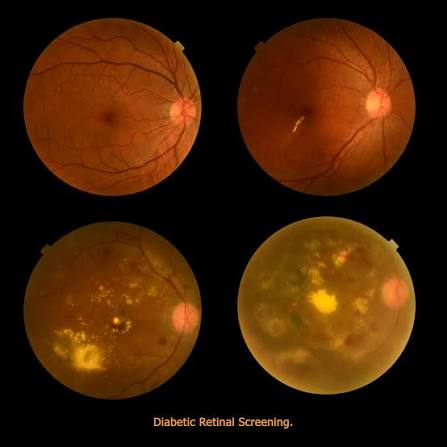
Diabetic Retina Check-up in Pune
Protecting Your Vision from Diabetes-Related Eye Problems
Diabetes can affect many parts of the body, including the eyes. One of the most serious complications of diabetes is damage to the retina, the light-sensitive tissue located at the back of the eye. Because retinal changes often develop gradually, many people may not notice symptoms until vision is significantly affected. Regular eye examinations play an important role in detecting problems early and protecting long-term vision.
A comprehensive Diabetic Retina Check-up in Pune helps identify early retinal changes before they cause permanent visual loss. Modern diagnostic technology allows eye specialists to evaluate retinal health accurately and recommend timely treatment whenever necessary. Early detection and proper management remain the most effective ways to preserve vision in people living with diabetes.
Understanding Diabetes and Retinal Health
Many patients ask, “What is diabetic retinopathy?” It is a diabetes-related eye condition that develops when elevated blood sugar levels damage the small blood vessels inside the retina. Over time, these delicate vessels may leak fluid, bleed, or become blocked, affecting the retina’s ability to function normally.
The retina plays a vital role in vision because it converts light entering the eye into signals that are sent to the brain. When retinal tissues become damaged, vision can gradually deteriorate. Because these changes often occur silently, regular eye examinations are essential even when eyesight appears normal.

How Diabetes Affects Vision
Patients frequently wonder, “How does diabetes affect the retina?” High blood sugar levels can weaken and damage retinal blood vessels over time. These vessels may leak fluid or blood into surrounding retinal tissue, causing swelling and visual disturbances.
As the disease progresses, abnormal blood vessels may develop within the retina. These fragile vessels can bleed easily and increase the risk of severe vision problems. This process highlights the importance of maintaining good Blood Sugar Control and attending regular eye examinations to monitor retinal health.
Early Warning Signs to Watch For
Many individuals search for information about “What are the symptoms of diabetic retinopathy?

Blurred or fluctuating vision

Dark spots or floaters in sight

Difficulty seeing at night
Colors appearing faded or dull

Sudden vision loss or blind spots
Because symptoms can vary significantly, professional evaluation is essential whenever vision changes occur. Early diagnosis often provides the best opportunity to prevent long-term complications.
Importance of Routine Retinal Screening
Diabetes can affect the eyes long before symptoms become apparent. This is why regular Retinal Screening is recommended for all diabetic patients. Comprehensive retinal assessment helps identify subtle changes before they begin affecting vision.
During a retinal evaluation, the doctor carefully examines the retina for signs of leakage, swelling, abnormal vessel growth, or other diabetes-related changes. Early detection allows treatment to begin before permanent visual damage occurs.
Many patients seeking a Diabetic Retina Check-up in Swargate benefit from routine screening because it helps detect retinal changes at a stage when treatment can be most effective.
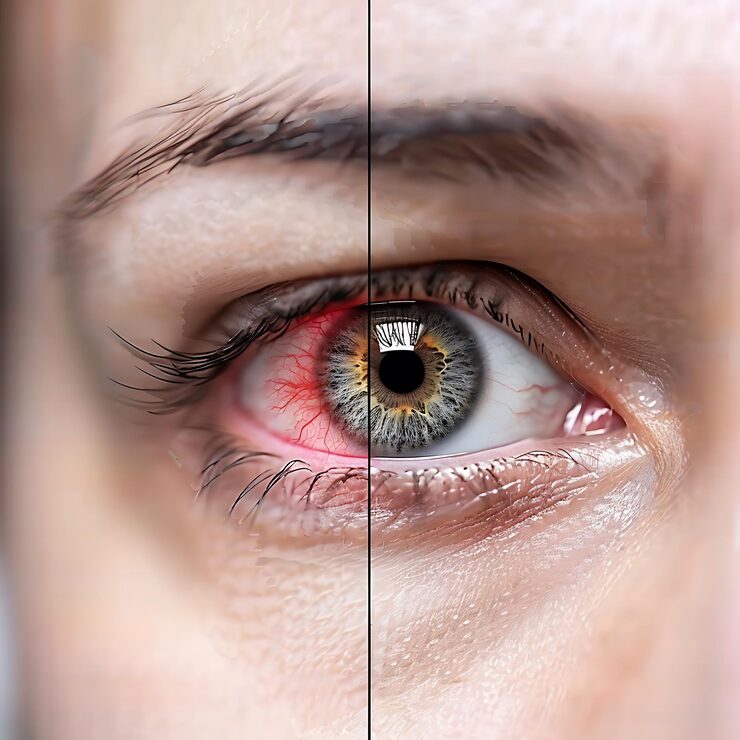
Advanced Diagnostic Evaluation
Modern eye care uses advanced imaging technology to evaluate retinal health accurately. A detailed Fundus Examination allows the doctor to inspect retinal structures and identify early abnormalities associated with diabetes.
Specialized retinal imaging techniques provide additional information about the condition of retinal tissues. An OCT Scan is particularly useful because it creates detailed cross-sectional images of the retina and helps detect swelling or fluid accumulation that may not be visible during a standard examination.
In some cases, Fundus Photography is also used to document retinal findings and monitor changes over time. These technologies help guide treatment decisions and improve long-term management.
Understanding Diabetic Macular Edema
One of the most common complications of diabetic eye disease is Diabetic Macular Edema (DME). This condition develops when fluid leaks from damaged retinal blood vessels and accumulates within the macula, the central part of the retina responsible for detailed vision.
Patients with this condition may experience blurred central vision, difficulty reading, or problems recognizing faces. Early diagnosis is extremely important because timely treatment can help preserve visual function and reduce the risk of permanent damage.
Treatment Options for Diabetic Retinal Disease
Patients often ask, “How is diabetic retinopathy treated?” Treatment depends on the severity of retinal damage and the specific changes present inside the eye.
The first step in management is improving overall diabetes control. Good blood sugar management, blood pressure control, and healthy lifestyle habits can significantly reduce the risk of disease progression.
For more advanced cases, specialized retinal treatments may be recommended to protect vision and reduce complications. Modern treatment plans are individualized according to each patient’s condition and retinal findings.
Modern Approaches to Treatment
When patients search for the “Best treatment for diabetic retinopathy,” it is important to understand that treatment varies according to disease severity.
In some cases, Laser Treatment may be used to seal leaking blood vessels or reduce abnormal vessel growth. This treatment has helped many patients maintain stable vision and reduce complications associated with diabetic retinal disease.
Another important treatment option involves Anti-VEGF Injections, which help reduce abnormal blood vessel growth and retinal swelling. These medications are delivered directly into the eye under carefully controlled conditions and have significantly improved outcomes for many patients.
In advanced situations involving severe bleeding or retinal complications, Vitrectomy surgery may be recommended. This procedure helps remove blood and scar tissue from inside the eye and may improve visual function in selected cases.
Can Diabetic Retinopathy Be Cured?
Many patients ask, “Can diabetic retinopathy be cured?” While existing retinal damage cannot always be completely reversed, modern treatments can often control disease progression and help preserve vision.
The key to successful management is early detection, regular monitoring, and timely intervention. Patients who maintain good diabetic control and attend routine eye examinations generally achieve better long-term outcomes than those who delay treatment.
Importance of Specialized Eye Care
Because diabetic retinal disease requires detailed evaluation and ongoing monitoring, many patients prefer consulting a Diabetic Retina Specialist for comprehensive care. Specialized expertise allows subtle retinal changes to be identified early and treated appropriately.
Patients searching for a Diabetic Retinopathy Specialist in Sahakar Nagar often seek professional guidance for long-term retinal health and diabetes-related eye management.
An experienced Retina Specialist can assess retinal findings, recommend suitable treatment, and monitor disease progression through regular follow-up visits.
Comprehensive Eye Care for Diabetic Patients
Effective Diabetic Eye Care extends beyond retinal treatment alone. Regular eye examinations help identify other conditions that may affect diabetic patients, including cataracts and glaucoma.
Some patients undergoing routine retinal evaluation may also require Glaucoma Treatment in Swargate Pune if elevated eye pressure or optic nerve changes are detected during examination. Comprehensive eye care ensures that all aspects of visual health are monitored appropriately.
Individuals seeking an Eye Specialist in Mukund Nagar should choose a qualified ophthalmologist who understands the long-term impact of diabetes on ocular health and can provide personalized guidance based on individual needs.
Frequently Asked Questions
Most diabetic patients should undergo a comprehensive retinal examination at least once a year or as recommended by their eye specialist.
Yes. Early stages often have no noticeable symptoms, making routine screening extremely important.
Yes. Good blood sugar control significantly reduces the risk of diabetic retinal complications.
Some changes can be managed effectively, but prevention and early treatment remain the best approach.
Yes. Untreated diabetic retinal disease can lead to significant vision loss, which is why regular eye examinations are essential.
Book Your Eye Consultation in Swargate, Pune
Whether you are dealing with recurring redness, persistent itching, seasonal eye allergies, or any form of eye irritation, our clinic is here to help you find answers and relief.
Clear Sight Eye Care Centre is led by Dr. Bhaktee Thipase, MS Ophthalmology and Cornea Surgeon, with additional affiliations at Apollo Hospital and Kashibai Navale Medical College. Her clinical approach combines diagnostic precision with clear, honest communication — so you always understand your condition and your options.
If you are looking for trusted, evidence-based red eye and eye allergy care in Swargate Pune and nearby areas, we welcome you to book a consultation.
Clear Sight Eye Care Centre · Swargate, Pune This content is for informational purposes only and does not replace personalised medical advice. Please consult Dr. Bhaktee Thipase or a qualified eye doctor for diagnosis and treatment specific to your condition.