

How Diabetes Affects Your Eyes
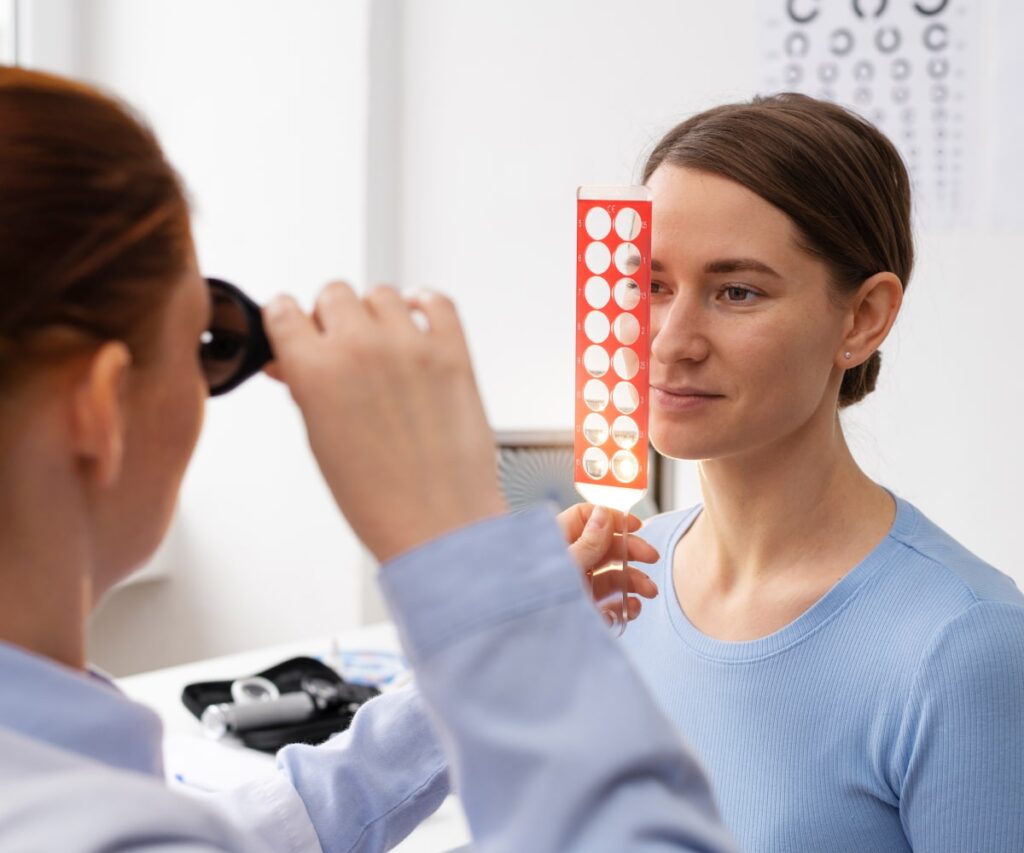
How Diabetes Affects Your Eyes
Diabetes is a condition that touches almost every part of the body, and the eyes are no exception. Many people know that diabetes can affect the kidneys, heart, and nerves, but far fewer realize how much it can impact vision over time. If you or someone in your family is living with diabetes, understanding these eye-related risks is one of the most important steps toward protecting long-term sight.
High blood sugar levels, when left unmanaged for a long time, can slowly damage the tiny blood vessels inside the eye. This damage often happens quietly, without any obvious symptoms in the early stages. That is exactly why regular monitoring, such as a Diabetic Retina Check-up in Swargate Pune, plays such an important role in catching problems before they become serious.
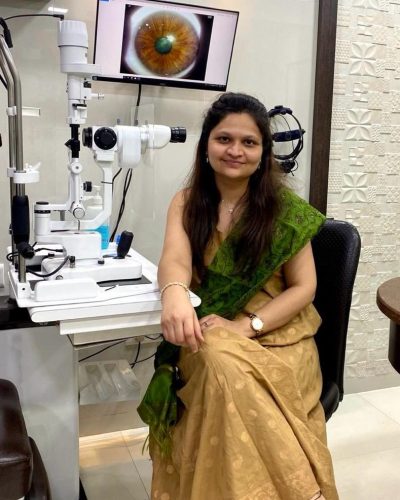
Dr. Bhaktee Thipase
Expert eye doctor offering advanced treatment for vision problems with care, precision.
The Connection Between Diabetes and Eye Health
The retina, which is the light-sensitive layer at the back of the eye, depends on a network of small blood vessels to function properly. When blood sugar stays high for extended periods, these vessels can weaken, swell, or leak fluid. Over time, this can lead to a condition known as diabetic retinopathy, one of the most common eye complications linked to diabetes.
In the early stages, diabetic retinopathy may not cause any noticeable change in vision. This is what makes it particularly tricky. A person can have significant changes happening inside their eye while still seeing clearly on the surface. As the condition progresses, however, blurred vision, dark spots, or difficulty seeing at night may start to appear.
Other Eye Problems Linked to Diabetes
Diabetic retinopathy is not the only concern. People with diabetes are also at a higher risk of developing cataracts at a younger age compared to those without the condition. Cataracts cause the natural lens of the eye to become cloudy, leading to blurry or dim vision.
Glaucoma is another condition that occurs more frequently in people with diabetes. This happens when pressure builds up inside the eye, which can gradually damage the optic nerve. Since glaucoma often develops slowly and painlessly, many people do not realize they have it until vision loss has already begun.
Diabetic macular edema is yet another complication where fluid builds up in the macula, the part of the retina responsible for sharp, central vision. This can make everyday tasks like reading, recognizing faces, or driving noticeably harder.
Why Regular Eye Check-ups Matter
Since many diabetes-related eye problems develop without early warning signs, routine screening becomes essential rather than optional. Doctors generally recommend that people with diabetes get their eyes examined at least once a year, even if their vision feels perfectly fine. Catching changes early often means simpler treatment and a better chance of preserving vision long-term.
Visiting a well-organized eye check-up clinic on a regular schedule allows your doctor to track subtle changes over time. These comparisons between visits are often what reveal early signs of trouble, long before a person would notice anything different in their day-to-day vision.
Managing Blood Sugar to Protect Your Eyes
One of the most effective ways to reduce the risk of diabetes-related eye damage is by keeping blood sugar levels stable. This involves a combination of a balanced diet, regular physical activity, consistent medication use, and routine monitoring. Blood pressure and cholesterol levels also play a role, since both can add extra strain on the delicate blood vessels in the eyes.
Small lifestyle habits can make a real difference. Cutting down on processed sugar, staying active most days of the week, and keeping stress levels in check all support better blood sugar control. Over time, these habits do more than protect your eyes; they support overall health as well.
Recognizing Warning Signs
While regular check-ups are important, it also helps to know the warning signs that should never be ignored. These include sudden blurry vision, seeing floating spots or dark strings, difficulty seeing at night, colors appearing faded, or sudden vision loss in one eye. If any of these symptoms appear, it is important to consult a doctor right away rather than waiting for the next scheduled appointment.
For families living in residential areas, convenience matters when it comes to consistent care. Someone searching for an Eye clinic near me in Sahakar Nagar is often looking for a place that makes regular visits easy to fit into a busy routine, which in turn supports better long-term monitoring.
Choosing the Right Eye Care Team
Diabetes-related eye conditions require careful, ongoing attention, which makes choosing the right specialist an important decision. Consulting a trusted and experienced Best Eye Doctor in Mukund Nagar can help ensure that any early changes in the retina or optic nerve are identified and managed properly, reducing the risk of long-term complications.
Beyond individual doctor visits, having access to a fully equipped facility adds another layer of reassurance. An Eye Clinic in Swargate Pune that provides complete diagnostic tools under one roof makes it easier to get thorough testing without having to travel between multiple locations for different tests.
Final Thoughts
Diabetes does not have to lead to serious vision problems if it is managed carefully and monitored consistently. The key lies in staying proactive rather than reactive. Keep blood sugar levels in check, attend scheduled eye examinations, and pay attention to any changes in vision, no matter how small they may seem.
Protecting your eyesight while managing diabetes is entirely possible with the right combination of lifestyle habits and professional care. Make eye check-ups a regular part of your health routine, just as you would with blood sugar testing or annual physical exams. Your vision is worth the extra attention, and a little consistency today can go a long way in preserving clear sight for years to come.
When Should You Visit an Eye Specialist?
Many people tolerate eye discomfort for longer than they should, hoping it will pass on its own. Please do consult a qualified eye clinic in Sahakar Nagar if you or your child experience any of the following:
- Headaches that occur regularly, particularly after screen use
- Blurred vision that does not clear after rest
- Persistent eye redness or irritation
- Difficulty focusing or a noticeable “lag” when switching between near and far
- Frequent eye rubbing, particularly in children
- Symptoms that are affecting your work, studies, or daily comfort
These signs deserve proper attention — not because they signal something sinister, but because there is almost always something practical that can be done to help.
General Questions
Yes, it can. Diabetes-related eye damage often starts silently, without any noticeable change in vision. High blood sugar can weaken the tiny blood vessels in the retina long before you feel any difference in how you see. This is why regular eye check-ups are so important, even when everything seems normal. Waiting for symptoms to appear before getting tested can mean missing the early stages of a problem, when it is usually easiest to treat and manage effectively.
Diabetic retinopathy is an eye condition caused by damage to the blood vessels in the retina due to prolonged high blood sugar levels. These vessels can swell, leak fluid, or become blocked over time. In its early stages, it often shows no symptoms at all. As it progresses, it can cause blurred vision, dark spots, or difficulty seeing at night. It is one of the most common and serious eye complications linked to diabetes, making early detection essential.
Yes, people with diabetes tend to develop cataracts earlier in life compared to those without the condition. High blood sugar can speed up changes in the eye's natural lens, causing it to become cloudy sooner than it typically would. This cloudiness leads to blurry, dim, or hazy vision. While cataracts are treatable, keeping blood sugar levels well controlled may help slow down how quickly they develop in the first place.
Most doctors recommend at least one comprehensive eye examination every year for people with diabetes, even if vision seems completely normal. Regular check-ups allow doctors to track subtle changes in the retina over time, which is often how early problems are detected. Depending on individual risk factors or existing eye conditions, some people may need more frequent visits. Consistent monitoring plays a major role in preventing serious, long-term vision complications.
Diabetic macular edema happens when fluid builds up in the macula, the part of the retina responsible for sharp, central vision. This swelling can make everyday tasks like reading, recognizing faces, or driving significantly harder. It usually develops as a result of long-term, poorly controlled blood sugar levels. Since it affects central vision specifically, even small amounts of swelling can have a noticeable impact on daily activities and overall quality of life.
Yes, keeping blood sugar levels stable is one of the most effective ways to reduce the risk of diabetes-related eye damage. This includes eating a balanced diet, staying physically active, taking medications consistently, and monitoring glucose regularly. Blood pressure and cholesterol control also matter, since both add extra strain on eye blood vessels. Small, consistent lifestyle habits often make a bigger long-term difference than people expect when it comes to eye health.
Sudden blurry vision, floating spots, dark strings across your field of vision, trouble seeing at night, faded colors, or sudden vision loss in one eye are all signs that need immediate medical attention. These symptoms can indicate that a diabetes-related eye condition has progressed and needs prompt evaluation. Waiting for a scheduled appointment in these cases is not advisable. Acting quickly when these signs appear gives doctors the best chance to prevent further vision loss.
Note : This article is intended for general educational purposes only. It is not a substitute for professional medical advice, diagnosis, or treatment. Please consult a qualified eye specialist for guidance tailored to your individual needs.