

How Modern Cataract Surgery Has Improved Vision Restoration
How Modern Cataract Surgery Has Improved Vision Restoration
Vision plays an important role in almost every activity we do each day. Reading, driving, cooking, recognizing faces, and enjoying hobbies all depend on clear eyesight. As people grow older, the natural lens inside the eye can gradually become cloudy, making vision blurry and dull. This condition is known as a cataract and is one of the most common causes of vision loss worldwide.
Years ago, cataract surgery involved larger incisions, longer recovery times, and limited options for restoring vision. Today, advances in medical technology have completely changed the way cataracts are treated. Modern surgical techniques are safer, more precise, and designed to help people regain clear vision with faster recovery.
This article explains how modern cataract surgery has improved vision restoration, the latest advancements in treatment, and what patients can expect before and after the procedure.
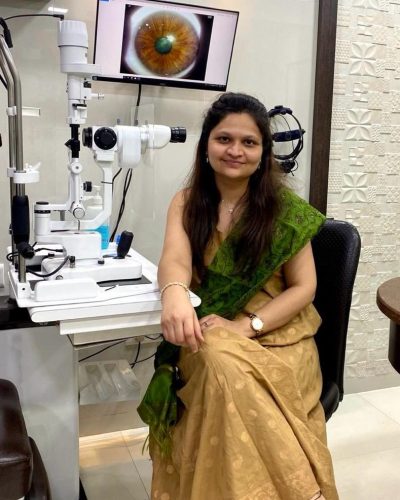
Dr. Bhaktee Thipase
Expert eye doctor offering advanced treatment for vision problems with care, precision.



Understanding Cataracts
A cataract develops when the clear natural lens inside the eye becomes cloudy. The lens normally focuses light onto the retina, allowing us to see clearly. As proteins in the lens break down with age, the lens gradually loses its transparency. This process usually happens slowly, so many people do not notice the early changes.
Common symptoms include:
- Blurred or cloudy vision
- Difficulty reading small print
- Increased sensitivity to bright lights
- Glare while driving at night
- Faded or dull colours
- Frequent changes in spectacle number
- Double vision in one eye
Initially, stronger glasses or brighter lighting may improve vision. However, once the cataract becomes advanced, surgery is the only effective treatment.
How Cataract Surgery Has Changed Over the Years
Cataract surgery has seen remarkable improvements over the past few decades. Earlier surgical methods required a relatively large incision to remove the cloudy lens. Patients often needed stitches, spent longer recovering, and had to wait several weeks before returning to normal activities.
Today, the focus is on minimally invasive surgery that removes the cloudy lens through a very small opening. The natural lens is replaced with a clear artificial lens, allowing light to reach the retina properly again. These improvements have made surgery more comfortable and have significantly enhanced visual outcomes for many patients.
Modern Surgical Techniques Offer Better Precision
One of the biggest advancements in cataract treatment is the use of phacoemulsification. In this technique, ultrasound energy gently breaks the cloudy lens into tiny fragments. These fragments are removed through a very small incision, after which a foldable artificial lens is inserted into the eye. Because the incision is so small, it usually heals naturally without stitches.
The advantages include:
- Smaller incision
- Less tissue damage
- Faster healing
- Reduced discomfort
- Lower risk of complications
- Earlier return to daily activities
This modern approach has become the preferred method for cataract treatment in many parts of the world.
Improved Artificial Lenses Have Enhanced Vision Restoration
One of the greatest developments in modern cataract surgery is the availability of advanced intraocular lenses (IOLs). After removing the cloudy natural lens, the surgeon places a clear artificial lens inside the eye. Unlike older lenses that mainly restored distance vision, newer lens designs can improve vision in different ways depending on individual needsSome commonly used options include:
Monofocal Lenses
These provide excellent vision at one distance, usually for seeing far away. Reading glasses may still be required for near work.
Multifocal Lenses
These lenses are designed to provide vision for both distance and near activities, reducing dependence on spectacles for some patients.
Toric Lenses
Patients with astigmatism may benefit from toric lenses, which help correct irregular curvature of the cornea while replacing the cataract. The most suitable lens depends on several factors including lifestyle, eye health, occupation, and existing eye conditions.
Better Pre-Surgical Evaluation Improves Results
Modern cataract surgery begins long before the operation itself. Detailed eye examinations and advanced diagnostic equipment help surgeons understand the unique structure of each patient’s eye. Measurements are taken to calculate the exact power of the artificial lens. This helps achieve clearer vision after surgery.
The evaluation may include:
- Corneal measurements
- Eye pressure assessment
- Retina examination
- Optical biometry
- Tear film evaluation
Careful planning helps improve surgical accuracy and patient satisfaction. If you are considering Cataract Surgery in Swargate Pune, a comprehensive pre-operative assessment is an important part of achieving the best possible visual outcome.
Faster Recovery Than Before
Recovery after modern cataract surgery is generally much quicker than it was in the past. Most patients notice an improvement in vision within the first few days, although complete healing may take several weeks.
Recovery depends on individual healing, but many people are able to:
- Watch television
- Read comfortably
- Walk independently
- Resume light household work
- Return to office work within a short period, depending on medical advice
Patients are usually advised to avoid rubbing the eye, lifting heavy weights, or exposing the eye to dust and contaminated water during the early healing period. Following postoperative instructions carefully plays an important role in achieving the best results.
Better Vision Improves Quality of Life
The benefits of cataract surgery extend far beyond clearer eyesight. Many people experience significant improvements in their daily lives after vision is restored.
Clear vision can make it easier to:
- Read books and newspapers
- Recognize faces clearly
- Drive with greater confidence
- Enjoy hobbies
- Watch television comfortably
- Move around safely
- Maintain independence
Many patients also report feeling more confident and socially active after their vision improves. Protecting long-term eye health through regular examinations and timely treatment helps people continue enjoying these daily activities.
Cataract Surgery Can Be Combined with Vision Correction
Modern cataract surgery not only removes the cloudy lens but can also reduce certain refractive errors. Depending on the selected lens, some patients may experience reduced dependence on glasses after surgery. However, results vary from person to person.
Your ophthalmologist will explain what level of spectacle independence is realistically achievable based on your individual eye condition. An experienced Ophthalmologist in Sahakar Nagar can guide patients through the available lens options and recommend the most suitable choice based on lifestyle and visual needs.
Why Timely Surgery Matters
Many people continue living with poor vision because they assume cataracts must become “fully mature” before surgery. This is no longer necessary. Waiting too long may make the cataract denser, which can sometimes increase surgical complexity. Early evaluation allows your doctor to determine the most appropriate timing for surgery based on:
- Vision affecting daily activities
- Lifestyle requirements
- Driving difficulties
- Reading problems
- Occupational needs
- Overall eye condition
Seeking advice at the right time often leads to a smoother treatment experience.
How to Maintain Healthy Vision After Surgery
Successful surgery is only one part of long-term eye care. Patients should continue following healthy habits to maintain good vision. Helpful practices include:
Attend Follow-up Visits
Regular postoperative examinations allow your doctor to monitor healing and detect any concerns early.
Use Eye Drops Correctly
Prescription eye drops help prevent infection and reduce inflammation during recovery.
Protect Your Eyes
Wear sunglasses outdoors to reduce exposure to bright sunlight and dust.
Control Medical Conditions
Managing diabetes and high blood pressure supports overall eye health.
Eat a Balanced Diet
Fresh fruits, vegetables, nuts, and foods rich in vitamins help support healthy eyes.
Avoid Smoking
Smoking increases the risk of several eye diseases and may affect long-term vision.
When Should You Consult an Eye Doctor?
Do not ignore changes in your vision. Schedule an eye examination if you notice:
- Gradually worsening vision
- Difficulty driving at night
- Increased glare from headlights
- Frequent spectacle changes
- Colours appearing faded
- Difficulty reading despite wearing glasses
A complete examination at an Eye Clinic can identify cataracts and other eye conditions before they significantly affect your daily life. If you are searching online for the Best eye doctor near me in Swargate, choose a qualified professional who performs a detailed eye evaluation and discusses all available treatment options based on your individual needs. Consulting an experienced Eye Specialist ensures that any changes in vision are properly assessed and managed with the most appropriate treatment plan.
Conclusion
Modern cataract surgery has transformed the way vision is restored. Smaller incisions, advanced surgical techniques, precise diagnostic equipment, and improved artificial lenses have made treatment safer and more effective than ever before. Most patients can expect faster recovery, better visual outcomes, and a significant improvement in their quality of life when surgery is performed at the right time.
If cloudy vision is affecting your daily routine, do not wait for it to become severe. An early eye examination can help determine whether cataracts are the cause and whether surgery is the right option for you.
Take the Next Step Towards Clearer Vision
If you or a family member is experiencing blurred vision, difficulty reading, or increased glare while driving, a comprehensive eye examination can help identify the cause and determine the most suitable treatment. Early diagnosis and timely care can make a significant difference in restoring comfortable, clear vision.
At Clear Sight Eye Care Centre a trusted eye care centre provides comprehensive eye evaluations and personalized cataract care.
Frequently Asked Questions (FAQs)
The most common signs include blurred or cloudy vision, difficulty reading, increased glare from headlights, poor night vision, faded colours, and frequent changes in your glasses prescription. Cataracts usually develop slowly, so symptoms may worsen over time. If your vision starts affecting daily activities like driving, reading, or watching television, it is a good idea to have a comprehensive eye examination to determine whether cataract surgery is needed.
No, cataract surgery is generally not painful. The eye is numbed using anesthetic eye drops before the procedure, so most patients feel little to no pain. You may notice slight pressure or mild discomfort during surgery, but it is usually brief. After the procedure, some people experience mild irritation or a gritty sensation for a few days, which typically improves with prescribed eye drops and proper care.
Most people notice clearer vision within a few days after cataract surgery, although complete healing may take about four to six weeks. Recovery varies depending on the individual and overall eye health. During this period, it is important to use prescribed eye drops, avoid rubbing the eye, protect it from dust and water, and attend follow-up appointments to ensure proper healing.
No, a cataract cannot return once the cloudy natural lens has been removed. However, some patients may develop a condition called posterior capsule opacification (PCO), where the thin membrane behind the artificial lens becomes cloudy months or years after surgery. This is not a new cataract and can usually be treated quickly and safely with a simple laser procedure to restore clear vision.
Cataracts are most common in people over the age of 60, but they can also develop earlier due to diabetes, eye injuries, long-term steroid use, certain medical conditions, or genetic factors. There is no fixed age for cataract surgery. The procedure is recommended when the cataract begins to interfere with daily activities such as reading, driving, working, or recognizing faces, regardless of the patient's age.
Note : This article is intended for general educational purposes only. It is not a substitute for professional medical advice, diagnosis, or treatment. Please consult a qualified eye specialist for guidance tailored to your individual needs.