

Can Stress Affect Your Eyesight?
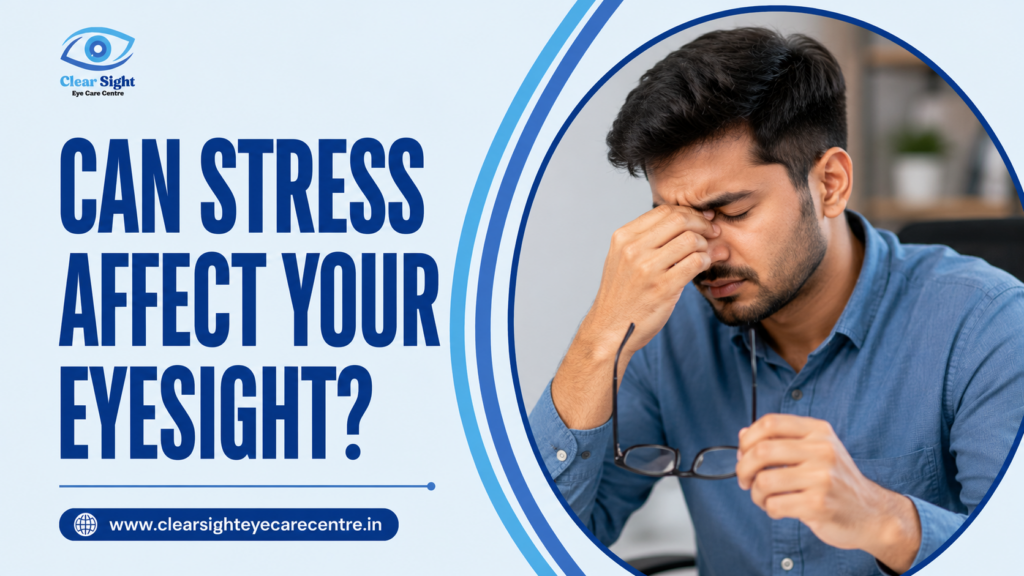
Can Stress Affect Your Eyesight?
Stress has a way of showing up in every corner of our health, from headaches and sleepless nights to digestive troubles and muscle tension. But many people never stop to consider that stress can also affect their eyes. It might sound surprising at first, but the connection between your mental state and your vision is more real than most people realize.
If you have ever noticed blurry vision, twitching eyelids, or eye strain during a particularly stressful week, you are not imagining things. Many patients visiting an Eye Clinic in Swargate Pune describe exactly these kinds of symptoms, often without realizing that stress could be the underlying cause. Understanding this link can help you take better care of both your mind and your eyes.

Dr. Jacob Moore
Expert eye doctor offering advanced treatment for vision problems with care, precision.
How Stress Affects the Body and the Eyes
When you experience stress, your body releases hormones like cortisol and adrenaline as part of the natural “fight or flight” response. While this response is helpful in short bursts, chronic stress keeps these hormones elevated for extended periods, which can affect multiple systems in the body, including blood flow, muscle tension, and even the nervous system that controls your eyes.
Since the eyes rely on a delicate balance of blood flow, nerve signals, and muscle coordination, prolonged stress can disrupt this balance in several ways. This is why stress-related eye symptoms are more common than most people expect, even though they are rarely the first thing anyone associates with a demanding or anxious period in life.
Common Eye Symptoms Linked to Stress
One of the most frequently reported stress-related eye symptoms is eyelid twitching, medically known as myokymia. This involuntary twitching usually affects the lower eyelid and tends to appear during periods of high stress, poor sleep, or excessive caffeine intake. While it can be annoying, it is usually harmless and tends to resolve once stress levels come down.
Blurred vision is another common complaint. Stress can cause temporary changes in how your eyes focus, sometimes making it harder to read or see clearly for short periods. Some people also experience eye strain or a feeling of pressure behind the eyes, especially if stress is combined with long hours spent looking at screens.
Dry eyes are yet another symptom linked to stress. When you are anxious or overwhelmed, you may blink less frequently without realizing it, which reduces the natural moisture spread across the surface of the eye. Over time, this can lead to irritation, redness, and a gritty or uncomfortable feeling.
Can Stress Cause More Serious Eye Problems?
While most stress-related eye symptoms are temporary and harmless, chronic, unmanaged stress can potentially contribute to more serious conditions over time. Some research suggests that prolonged stress may play a role in conditions like central serous retinopathy, a condition where fluid builds up under the retina, causing distorted or blurred vision, often in one eye.
There is also growing interest in understanding how chronic stress might influence eye pressure and its potential connection to conditions like glaucoma, although more research is needed to fully understand this relationship. This is precisely why persistent or unusual eye symptoms should never be ignored, even if stress seems like the most obvious explanation.
When Should You See a Doctor?
It can be difficult to know when eye symptoms are simply stress-related and when they signal something more serious. As a general rule, if symptoms like blurred vision, eye twitching, or discomfort persist for more than a few days, or if they are accompanied by pain, sudden vision changes, or light sensitivity, it is important to seek professional evaluation rather than assuming stress is the sole cause.
Consulting an experienced Eye Specialist in Swargate Pune can help rule out other underlying causes and provide reassurance, or appropriate treatment, depending on what is found during the examination. A proper evaluation ensures that nothing is overlooked, especially since some eye conditions can mimic stress-related symptoms in their early stages.
Managing Stress to Protect Your Eyes
Since stress plays such a significant role in these symptoms, managing stress effectively is one of the best ways to protect your eye health. Simple habits like practicing deep breathing exercises, taking regular breaks from screens, and maintaining a consistent sleep schedule can make a noticeable difference over time.
The twenty-twenty-twenty rule is particularly helpful for people who spend long hours in front of screens. Every twenty minutes, look at something twenty feet away for at least twenty seconds. This simple habit reduces eye strain and gives your eyes a much-needed break, especially during stressful workdays filled with back-to-back screen time.
Physical activity, even something as simple as a short daily walk, can also help lower stress hormone levels in the body. Combined with proper hydration and a balanced diet, these small changes support both your mental wellbeing and your eye health at the same time.
The Importance of Routine Eye Exams
Even if your eye symptoms seem clearly linked to stress, routine eye exams remain important for catching any underlying issues early. Regular check-ups allow your doctor to monitor changes over time and rule out conditions that might otherwise go unnoticed, especially those that develop gradually without obvious symptoms.
Scheduling a visit with a qualified Ophthalmologist in Swargate Pune ensures that your eyes are evaluated thoroughly, giving you peace of mind whether your symptoms turn out to be stress-related or something that requires further attention. Prevention and early detection remain the most reliable tools for protecting long-term vision health.
Final Thoughts
Stress affects the body in more ways than most people realize, and the eyes are no exception. From eyelid twitching and blurred vision to dry, irritated eyes, stress-related symptoms are common and, in most cases, temporary. However, persistent or unusual symptoms should always be evaluated by a professional to rule out more serious underlying causes.
Taking steps to manage stress, from mindful breathing to regular breaks from screens, can go a long way in protecting your vision alongside your overall wellbeing. Pay attention to what your eyes are telling you, and do not hesitate to seek professional care whenever something feels off. Your eyes, much like the rest of your body, deserve attention and care, especially during life’s more demanding and stressful chapters.
General Questions
Yes, stress can temporarily affect how your eyes focus, leading to blurry or unclear vision. This usually happens because stress hormones affect muscle tension and blood flow, both of which play a role in how well your eyes function. In most cases, this blurriness is temporary and improves once stress levels decrease. However, if blurry vision persists or worsens, it is important to have your eyes examined to rule out other causes.
Eyelid twitching, known as myokymia, is a common stress-related symptom caused by involuntary muscle contractions in the eyelid. It often appears alongside poor sleep, fatigue, or excessive caffeine intake, all of which frequently accompany high-stress periods. While it can feel unsettling, this twitching is usually harmless and tends to resolve on its own once stress levels are managed and normal sleep patterns are restored.
In most cases, stress-related eye symptoms are temporary and do not cause permanent damage. However, chronic, long-term stress may potentially contribute to more serious conditions in rare cases, so persistent symptoms should not be ignored. If you notice ongoing or worsening changes in your vision, it is important to consult a professional to determine whether stress or another underlying condition is responsible for what you are experiencing.
It can be difficult to distinguish between stress-related symptoms and other eye conditions without a proper examination. As a general guide, if symptoms are mild, come and go with your stress levels, and improve with rest, stress is likely a contributing factor. However, persistent, worsening, or painful symptoms warrant a professional evaluation to rule out other potential causes that may require treatment.
Yes, excessive screen time combined with stress often intensifies eye strain, dryness, and discomfort. Staring at screens for long periods reduces blinking frequency, which can dry out the eyes, while stress adds additional muscle tension around the eyes. Taking regular breaks, following the twenty-twenty-twenty rule, and managing overall stress levels together can significantly reduce these combined effects on your eyes.
Yes, techniques like deep breathing, regular exercise, and consistent sleep can help lower stress hormone levels, which in turn may reduce stress-related eye symptoms like twitching, dryness, and blurred vision. While these techniques are not a substitute for professional care when needed, they can meaningfully support overall eye comfort and function, especially when practiced consistently as part of a broader stress management routine.
If eyelid twitching persists for more than a few weeks or becomes severe enough to affect your vision or daily activities, it is a good idea to consult a doctor. While most twitching is harmless and stress-related, prolonged or severe twitching can occasionally indicate an underlying neurological or eye-related condition that requires further evaluation and appropriate treatment.
If you regularly experience stress-related eye symptoms, it is a good idea to schedule an eye exam at least once a year, or sooner if symptoms worsen or persist. Regular check-ups help ensure that any underlying conditions are caught early, while also giving you a chance to discuss ongoing symptoms with a professional who can offer personalized guidance and reassurance.
Note : This article is intended for general educational purposes only. It is not a substitute for professional medical advice, diagnosis, or treatment. Please consult a qualified eye specialist for guidance tailored to your individual needs.