

How Do I Know If I Have Cataracts — And Does the Cataract Need to Be "Ripe" Before Surgery?

How Do I Know If I Have Cataracts — And Does the Cataract Need to Be "Ripe" Before Surgery?
Your questions answered by an experienced team offering Cataract Surgery in Swargate Pune
Introduction
Cataracts are one of the most common eye conditions in the world — and in India, they remain a leading cause of treatable vision loss, particularly among adults over 50. Yet despite how widespread they are, there is a great deal of confusion and hesitation surrounding them.
One of the most persistent myths — one that we hear regularly from patients visiting from Swargate, Sahakarnagar, Mukund Nagar, Katraj, and Dhankawadi — is that a cataract must become fully “ripe” or “mature” before it can be operated upon. This belief has led many patients to suffer through months or even years of worsening vision unnecessarily, waiting for a condition that modern medicine no longer requires.
The truth is quite different. Today’s cataract surgery is safer, faster, and more effective than ever before — and it works best when performed before a cataract reaches an advanced stage. In this article, we will walk you through everything you need to know: what cataracts are, how to recognize them, and why early treatment is the smarter choice.
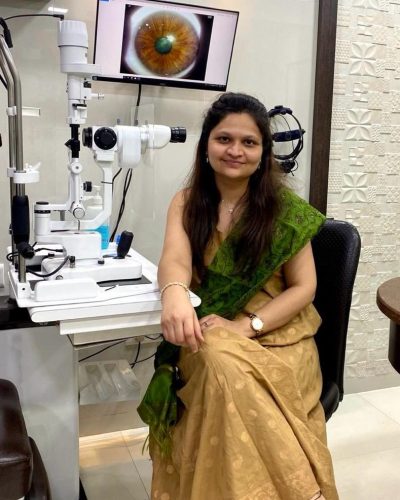
Dr. Bhaktee Thipase
Expert eye doctor offering advanced treatment for vision problems with care, precision.



What Exactly Is a Cataract?
Inside your eye sits a natural, transparent lens that sits just behind the iris (the coloured part of your eye). This lens focuses light onto the retina so that you can see clearly. When you are young, this lens is perfectly clear. But over time — usually from your mid-40s onward — proteins within the lens begin to break down and clump together. This causes the lens to become cloudy or yellowed. That cloudiness is what we call a cataract.
Think of it like a clear glass window gradually fogging over. In the early stages, you might not notice much difference. But as the clouding increases, it begins to interfere with how light enters your eye — and your vision suffers as a result.
Age-related cataracts are by far the most common type. However, cataracts can also develop due to diabetes, prolonged steroid use, eye injuries, or even be present from birth in rare cases.
Common Symptoms of Cataracts
Cataracts develop slowly, which means many people adjust to gradually worsening vision without realising what is happening. Here are the key warning signs to watch for:
- Blurry or cloudy vision — Objects at any distance appear hazy, as though you are looking through a frosted glass.
- Difficulty seeing at night — Dim light conditions become increasingly challenging, making evening activities uncomfortable.
- Increased sensitivity to glare — Oncoming headlights while driving, sunlight, or bright indoor lighting may cause uncomfortable glare or halos.
- Frequent changes in glasses prescription — If your spectacle number keeps changing every few months, a developing cataract could be the reason.
- Double vision in one eye — Seeing two overlapping images in a single eye (not both eyes together) can be an early sign.
- Colours appearing faded or washed out — The world may look less vivid, with whites appearing yellowish and bright colours looking dull.
- Difficulty driving at night — The combination of glare, halos, and reduced contrast makes night driving particularly hazardous for cataract patients.
If you recognise two or more of these symptoms in yourself or a family member, it is worth getting a comprehensive eye examination without delay.
How Do Eye Doctors Diagnose Cataracts?
Diagnosing a cataract is straightforward and entirely painless. A qualified eye specialist in Swargate will typically conduct the following assessments:
- Vision testing (visual acuity test): You will be asked to read letters on a chart at varying distances to assess how much your vision has been affected.
- Slit lamp examination: This is a microscope examination that allows the doctor to look closely at the structures of the front of your eye, including the lens, to identify clouding and assess how advanced the cataract is.
- Retina evaluation: Dilating drops are used to widen the pupil so your doctor can examine the back of your eye. This ensures that any vision problems are not being caused by a retinal condition.
- Eye pressure testing: Measuring intraocular pressure helps rule out glaucoma, which can sometimes coexist with cataracts.
- Biometry: If surgery is being planned, this painless scan precisely measures the dimensions of your eye to help select the most suitable intraocular lens (IOL) for implantation.
The whole examination typically takes 45 to 60 minutes, and the results give your doctor a clear picture of where you stand.
Does a Cataract Need to Become "Ripe" Before Surgery?
This is perhaps the most important question of all — and the answer is a clear no.
The idea that a cataract must become “ripe” (fully mature or nearly white) before surgery is a relic of an older era of eye care. Decades ago, cataract surgery required a large incision, and the technique worked better on a hardened, fully developed lens. Patients were therefore advised to wait. It made sense then.
But cataract surgery has been transformed since those days. Modern phacoemulsification surgery — commonly called Phaco — uses ultrasound energy to break up and remove the cloudy lens through a tiny incision of just 2 to 3 millimetres. This technique is actually easier and safer when the lens is softer — meaning earlier surgery is generally less complicated, not more.
Waiting for a cataract to become fully ripe can actually cause real problems:
- A very mature (hypermature) cataract becomes extremely hard and dense, making surgery technically more demanding.
- Advanced cataracts can occasionally cause inflammation or elevated eye pressure inside the eye.
- In the meantime, the patient continues to suffer from deteriorating vision, increased fall risk, and reduced quality of life — none of which are necessary.
The right time to consider cataract surgery in Swargate Pune is when the cataract is affecting your daily life — not when it reaches an arbitrary stage of “ripeness.”
When Should Cataract Surgery Be Considered?
Your eye doctor will help you decide on the right timing, but generally speaking, surgery becomes worthwhile when:
- Daily activities are being affected — Difficulty reading, cooking, watching television, or using a smartphone signals that the cataract has progressed meaningfully.
- Driving has become unsafe — If glare, halos, or blurry vision are making you hesitant behind the wheel, that is a significant quality-of-life and safety concern.
- Work or hobbies are suffering — Struggling to use a computer, recognize faces, or pursue activities you enjoy is a valid reason to act.
- Elderly patients are experiencing falls — Poor vision is a major contributing factor to falls in older adults. Cataract surgery has been shown to reduce fall risk significantly.
- Increasing dependence on others — When vision loss begins to undermine independence and confidence, timely surgery can genuinely restore a person’s sense of self-sufficiency.
There is no single “right” number on a vision chart. The decision is based on how much the cataract is impacting your life.
What Is Phacoemulsification (Phaco) Cataract Surgery?
Phacoemulsification surgery is the gold standard in modern cataract care, and it is the technique used by experienced phaco surgeons in Swargate Pune today.
Here is how it works, in simple terms:
- A tiny incision — usually 2 to 3 mm — is made at the edge of the cornea. No stitches are typically required.
- A fine ultrasound probe is inserted through this incision. The ultrasound energy breaks up the cloudy lens into tiny fragments.
- These fragments are gently suctioned out of the eye.
- A foldable artificial lens (intraocular lens, or IOL) is then inserted through the same small incision and unfolds inside the eye, where it stays permanently.
Because the incision is so small, healing is rapid. Most patients notice a meaningful improvement in vision within a day or two. The procedure itself typically takes 15 to 20 minutes and is performed under local anaesthesia — you remain awake but feel no pain. You can usually go home the same day.
The Importance of Eye Checkups for Screen Users
Regular eye examinations are not just for people who already wear glasses. For screen users especially, a comprehensive eye check serves several important purposes:
- Detecting uncorrected refractive errors — Mild short-sightedness, long-sightedness, or astigmatism can significantly worsen screen-related strain. Wearing the correct prescription makes an immediate difference.
- Dry eye assessment — Dry eye disease is distinct from occasional screen-related dryness and has specific treatments. A proper evaluation can identify whether what you are experiencing is situational or an underlying condition.
- Monitoring children’s vision — Given the link between near work, reduced outdoor time, and myopia progression in children, annual checks are particularly worthwhile for school-age kids.
- Personalised guidance — Every person’s eyes and lifestyle are different. A good eye care clinic in Pune will give you advice tailored to your work setup, hours, and visual demands — not generic one-size-fits-all tips.
Benefits of Early Cataract Surgery
Choosing to have surgery before your cataract becomes severely advanced carries several genuine advantages:
- Better visual outcomes — Softer, earlier-stage cataracts are easier to remove cleanly, leading to smoother results.
- Technically easier surgery — Surgeons work more easily with less dense cataracts, which can mean a shorter procedure and quicker recovery.
- Faster healing — A simpler surgical process generally translates to less post-operative inflammation and a more comfortable recovery.
- Fewer complications — Advanced or hypermature cataracts carry a slightly higher risk of surgical complications. Early intervention avoids this.
- Restored confidence and independence — Patients often say that clearer vision after cataract surgery gave them back activities and enjoyment they had quietly given up on.
The message from modern ophthalmology is consistent: do not wait longer than necessary.
Who Is a Good Candidate for Cataract Surgery?
Almost anyone with a cataract that is affecting their vision and quality of life can be considered for surgery, including:
- Older adults with age-related cataracts — The most common group. Surgery is safe across a wide age range, including patients well into their 70s, 80s, and beyond.
- Patients with diabetes — Diabetic patients often develop cataracts earlier. With proper pre-operative assessment and blood sugar management, surgery can be carried out safely.
- Individuals with rapidly changing prescriptions — If your spectacle power keeps shifting despite frequent updates, a cataract may be responsible.
- Those struggling with everyday tasks — If your vision is limiting your daily life in any meaningful way, that is reason enough to explore your options with a cataract surgeon in Pune.
Recovery After Cataract Surgery
Recovery from modern phaco cataract surgery is generally straightforward and well-tolerated:
- First 24 hours: You will go home with an eye shield and begin using prescribed eye drops. Some mild watering or a gritty sensation is normal.
- First week: Vision begins to improve noticeably. You should avoid rubbing the eye, getting water in it, and strenuous activity.
- Eye drops: A combination of antibiotic and anti-inflammatory drops will be prescribed, typically for 4 to 6 weeks. These are important and should not be skipped.
- Follow-up visits: Your surgeon will schedule check-ups at regular intervals — typically the next day, one week later, and then at one month. These visits are essential to confirm the eye is healing well.
- Returning to daily life: Most patients can resume light reading and screen use within a few days. Driving is typically permitted once the doctor confirms adequate vision, usually within a week or two.
Full healing of the eye takes several weeks, but for most patients, the improvement in vision is felt almost immediately.
Why Choose an Experienced Cataract Surgeon in Swargate Pune?
The surgeon and facility you choose matter. Here is why opting for an experienced cataract surgeon in Swargate Pune makes a difference:
- Advanced diagnostic technology: Accurate biometry and pre-operative planning are the foundation of a good surgical outcome, particularly when selecting the right lens power for your eye.
- Personalised lens selection: Intraocular lenses come in multiple types — monofocal, multifocal, toric (for astigmatism) — and the right choice depends on your unique eye measurements and lifestyle needs.
- Modern surgical equipment: Up-to-date phacoemulsification machines offer better precision, control, and safety during surgery.
- Experienced hands: A surgeon who has performed a high volume of cataract procedures is better equipped to handle the rare unexpected situation calmly and competently.
- Local convenience: For residents of Swargate, Sahakarnagar, Mukund Nagar, Katraj, and Dhankawadi, having access to a skilled eye surgeon in Swargate means easier pre-operative appointments, post-operative check-ups, and the reassurance of ongoing care close to home.
When Should You Visit an Eye Doctor in Pune?
It is easy to postpone an eye check-up, especially if the changes in your vision feel gradual. But certain signs should prompt you to book an appointment with an eye doctor in Pune without delay:
- Sudden blurry vision or a rapid change in how clearly you see
- Significant glare or halos around lights, especially when driving at night
- A new glasses prescription that does not seem to help as much as expected
- Difficulty recognizing faces at a conversational distance
- Poor contrast sensitivity — struggling to distinguish between objects of similar shades
- Any eye pain, persistent redness, or unusual visual disturbance
None of these should be dismissed as simply “getting older.” Many are highly treatable — and the sooner they are evaluated, the more options you have.
General Questions
No. Once a cataract forms, it cannot be dissolved or reversed with eye drops, medication, or glasses. Spectacles can help manage early symptoms, but surgery is the only definitive treatment. The good news is that it is one of the most successful and commonly performed surgical procedures in the world.
No. The procedure is performed under local anaesthetic eye drops, which numb the eye completely. You will be awake during the surgery but will feel no pain. Some patients feel mild pressure or notice bright lights during the procedure, which is entirely normal. Post-operatively, any mild discomfort is well-managed with the prescribed drops.
The procedure itself typically takes 15 to 20 minutes per eye. Including preparation and post-operative monitoring, you can expect to spend 2 to 3 hours at the clinic on the day of surgery.
In most cases, surgeons prefer to operate on one eye at a time — usually with a gap of one to two weeks between the two eyes. This approach allows the first eye to heal and gives the team a chance to fine-tune the lens selection for the second eye based on the initial results.
Yes, it is. Cataract surgery is routinely performed on patients in their 70s, 80s, and 90s. Age alone is not a barrier. Your doctor will assess your overall health and eye condition before proceeding, and the procedure is generally very well tolerated by elderly patients. In fact, for older adults, the benefits — including reduced fall risk and restored independence — are particularly significant.
Cataract surgery has a high overall success rate. The vast majority of patients experience a meaningful improvement in vision. As with any surgical procedure, outcomes can vary depending on the individual's eye health, the presence of other conditions like macular degeneration or glaucoma, and the quality of post-operative care. Your surgeon will discuss your personal expectations with you beforehand.
Most patients can read, watch television, and perform light daily tasks within two to three days. Driving is usually permitted within a week or two, once your doctor confirms your vision meets the required standard. More strenuous activities, swimming, and eye make-up should be avoided for four to six weeks, or as directed by your surgeon.
Conclusion
Cataracts are a natural part of ageing for many people — but blurry, restricted vision does not have to be. With modern phacoemulsification surgery, cataracts can be treated safely and effectively at an early stage, without waiting for them to become fully “ripe” or severely advanced. That outdated belief has delayed treatment for far too many patients unnecessarily, and it is time to set it aside.
Whether you are noticing the early signs of a cataract, or you have been told you have one and are wondering whether to proceed, the most important thing you can do is get a proper, unhurried evaluation from a qualified professional.
If you are in Swargate, Sahakarnagar, Mukund Nagar, Katraj, Dhankawadi, or anywhere nearby in Pune, you have access to experienced, caring eye care right on your doorstep. Schedule a consultation with a trusted cataract surgeon in Swargate Pune today — because clearer vision, and the confidence that comes with it, is well within reach.
Note : This article is intended for general educational purposes only. It is not a substitute for professional medical advice, diagnosis, or treatment. Please consult a qualified eye specialist for guidance tailored to your individual needs.