

How Are Digital Screens Affecting My Eyes — And What Can I Do About It?

How Are Digital Screens Affecting My Eyes — And What Can I Do About It?
Practical advice and eye care guidance from an experienced ophthalmologist in Sahakar Nagar Pune

Dr. Bhaktee Thipase
Expert eye doctor offering advanced treatment for vision problems with care, precision.

Introduction
Think about how many hours you spent looking at a screen today. Your phone over breakfast. A laptop through the work day. A tablet for your child’s homework. The television in the evening. For most of us, screens are no longer just a convenience — they are woven into almost every part of daily life.
This shift has brought enormous benefits. But it has also created a growing tide of eye complaints that eye doctors across Pune are seeing with increasing regularity. Patients from Sahakar Nagar, Swargate, Mukund Nagar, Katraj, and Dhankawadi are visiting clinics more frequently with the same cluster of symptoms: tired eyes, persistent headaches, blurry vision after long work sessions, and eyes that feel dry and gritty by the end of the day.
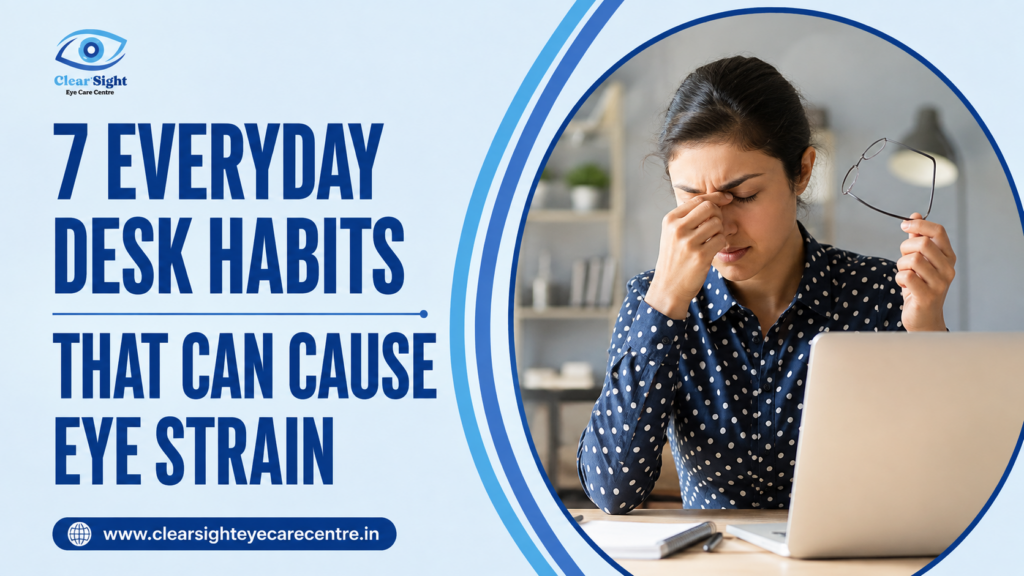
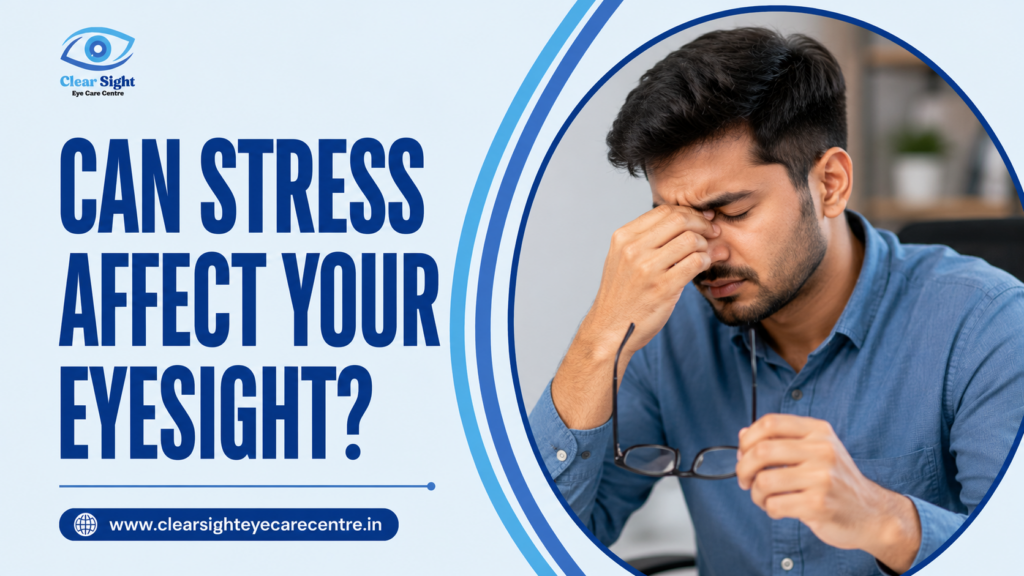
What many of them share is not a disease in the traditional sense — it is something called digital eye strain, also known as computer vision syndrome. It is extremely common, it is manageable, and understanding it is the first step to feeling better.
How Do Digital Screens Affect the Eyes?
Your eyes are remarkably adaptable, but screens challenge them in ways that natural environments simply do not. Here is what happens when you spend extended time in front of a display:
You blink less than you should. In normal conversation or while looking around a room, most people blink 15 to 20 times per minute. Studies have consistently shown that screen users blink as little as 5 to 7 times per minute when focused on a display. Blinking is what spreads a thin film of tears across the eye surface to keep it moist and comfortable. Blink less, and the eyes begin to dry out and feel irritated.
Your eye muscles work overtime. Focusing on a screen at a fixed, close distance for hours requires sustained effort from the small muscles inside and around the eye. Unlike natural vision — which constantly shifts between near and far, giving those muscles a break — screen use keeps them locked in one position. Over time, this leads to fatigue, just like any muscle would tire from holding the same position too long.
Blue light exposure increases. Digital screens emit a portion of high-energy visible light known as blue light. While the sun is the most significant source of blue light, prolonged close-up screen exposure means your eyes receive a steady, sustained dose throughout the day. Research into its long-term effects is still evolving, but its contribution to visual discomfort and disrupted sleep patterns is well documented.
Contrast and glare add visual stress. Screen glare from windows or overhead lighting, combined with text on bright backgrounds, forces the eyes to work harder to maintain clarity — adding to the overall strain.
Common Symptoms of Digital Eye Strain
Digital eye strain rarely announces itself dramatically. It builds gradually over the course of a day or a week, which is exactly why many people do not connect their symptoms to screen use. Watch for:
- Eye fatigue — A heavy, tired feeling in and around the eyes, particularly in the late afternoon.
- Headaches — Often centred around the forehead or temples, and usually worse after extended screen sessions.
- Blurred vision — Temporary difficulty seeing clearly, especially when shifting focus from screen to a distant object.
- Dry eyes — A persistent gritty, sandy, or burning sensation caused by reduced blinking and increased tear evaporation.
- Watery eyes — Paradoxically, dry eyes sometimes trigger reflex tearing as the eye tries to compensate.
- Burning or stinging sensation — Common after long, unbroken screen sessions.
- Neck, shoulder, and upper back pain — Often linked to poor posture or awkward screen positioning.
- Difficulty focusing — Some screen users notice a lag when trying to refocus after a long work session, as though the eyes are slow to “reset.”
If several of these sound familiar, you are far from alone — and importantly, they are addressable.
Who Is Most at Risk?
Digital eye strain can affect anyone who uses screens regularly, but certain groups tend to experience it more severely:
- Office and remote workers who spend 6 to 10 hours or more in front of computers daily.
- Students at all levels — from school children on tablets to college students working on laptops for hours at a stretch.
- Smartphone-heavy users who habitually hold their devices very close to their face for extended periods.
- Gamers who often play for hours with intense visual concentration and limited breaks.
- Children with excessive screen time — their visual systems are still developing, making them particularly worth monitoring.
- People with uncorrected refractive errors — those who need glasses but are not wearing them, or are wearing an outdated prescription, are especially vulnerable.
If you fall into any of these categories and are already experiencing symptoms, an honest conversation with an eye specialist in Pune is a sensible starting point.
What Is Computer Vision Syndrome?
Computer vision syndrome (CVS) is the clinical term used to describe the collection of eye and vision problems that result from prolonged digital screen use. It is not a single condition with a single cause — it is a syndrome, meaning a group of symptoms that tend to occur together.
The American Optometric Association recognises CVS as a significant occupational health concern. In practical terms, it means that for people spending large portions of their day on screens, visual discomfort is not just inconvenient — it can affect concentration, productivity, and overall wellbeing.
The good news is that CVS is not irreversible. With the right habits, the right eyewear if needed, and appropriate medical guidance, most people experience real and lasting improvement.
Can Digital Screens Permanently Damage the Eyes?
This is one of the most common concerns patients raise — and it is worth addressing honestly.
For the overwhelming majority of people, digital screen use causes strain and discomfort, not permanent damage. You are not going to go blind from using your laptop. The symptoms of digital eye strain are real, but they are functional — meaning they reflect how the eyes are working under stress, rather than structural damage to the eye itself.
That said, there are nuances worth noting:
- In children, excessive near work and reduced outdoor time have been linked to the development and progression of myopia (short-sightedness). This is a legitimate concern and a reason why children’s screen habits and eye health deserve careful monitoring.
- If an underlying condition — like dry eye disease, an uncorrected refractive error, or early glaucoma — is going undetected because symptoms are being attributed to screens, delayed diagnosis can matter. This is precisely why regular eye examinations are so important, not just for those with active symptoms but for everyone.
The overall message: screens are unlikely to cause serious permanent harm to healthy adult eyes, but they can unmask problems that already exist. Regular check-ups with the best eye doctor in Sahakar Nagar Pune give you the reassurance of knowing your eyes are genuinely healthy, not just symptom-free.
Practical Ways to Reduce Digital Eye Strain
The encouraging news is that many cases of digital eye strain respond very well to relatively simple adjustments. Here are the most effective ones:
The 20-20-20 Rule
Every 20 minutes, look at something at least 20 feet away for at least 20 seconds. This gives your focusing muscles a brief but meaningful rest. Setting a gentle reminder on your phone or using a free app can make this habit easy to maintain.
Screen Distance and Positioning
Your screen should ideally be about an arm’s length away (roughly 50 to 70 cm) and positioned so that the top of the screen is at or slightly below eye level. This reduces the effort your eyes and neck need to sustain throughout the day.
Blink Consciously
Remind yourself to blink. It sounds simple, but making a deliberate effort to blink fully and regularly — especially during focused screen work — can noticeably reduce dryness and irritation.
Adjust Screen Brightness and Contrast
Your screen should not be dramatically brighter or darker than the room around it. Matching the brightness of your screen to your environment reduces the contrast your eyes must constantly adapt to. Enabling “night mode” or warmer colour tones in the evening can also reduce stimulation before sleep.
Consider Anti-Glare Options
An anti-glare screen protector, or positioning your screen to avoid window or ceiling light reflections, can meaningfully reduce visual stress. If you wear glasses, ask your ophthalmologist in Sahakar Nagar Pune whether anti-reflective coated lenses might help in your specific case.
Use Artificial Tears if Recommended
Preservative-free lubricating eye drops can provide relief for dryness and irritation. However, use drops that are recommended or prescribed by your eye doctor — not all over-the-counter options are suitable for regular use.
Limit Screen Time Before Sleep
The blue light from screens in the hour before bedtime suppresses melatonin production, making it harder to fall and stay asleep. Poor sleep, in turn, makes eye fatigue worse the next day. Creating a screen-free wind-down window before bed is one of the simplest things you can do for both your eyes and your overall health.
The Importance of Eye Checkups for Screen Users
Regular eye examinations are not just for people who already wear glasses. For screen users especially, a comprehensive eye check serves several important purposes:
- Detecting uncorrected refractive errors — Mild short-sightedness, long-sightedness, or astigmatism can significantly worsen screen-related strain. Wearing the correct prescription makes an immediate difference.
- Dry eye assessment — Dry eye disease is distinct from occasional screen-related dryness and has specific treatments. A proper evaluation can identify whether what you are experiencing is situational or an underlying condition.
- Monitoring children’s vision — Given the link between near work, reduced outdoor time, and myopia progression in children, annual checks are particularly worthwhile for school-age kids.
- Personalised guidance — Every person’s eyes and lifestyle are different. A good eye care clinic in Pune will give you advice tailored to your work setup, hours, and visual demands — not generic one-size-fits-all tips.
How Parents Can Protect Children's Eyes
Children are among the most heavily screen-exposed people in modern homes — and their eyes are still developing. A few practical steps make a meaningful difference:
- Set screen time limits guided by the child’s age. For children under 2, non-video-call screen time should be minimal. For older children, structured limits and breaks matter.
- Encourage outdoor time. Time spent outdoors — ideally at least 1 to 2 hours daily — has been shown to reduce the risk of myopia developing and progressing. Natural light and the visual experience of focusing at distance both play a role.
- Ensure proper lighting. Children should never use tablets or read in the dark or in direct sunlight. Consistent, indirect ambient light is ideal.
- Watch for signs — squinting, sitting very close to screens, rubbing the eyes frequently, or complaints of headaches after homework. These warrant a visit to an eye specialist.
- Schedule regular eye checks — even if your child does not complain. Many children with developing refractive errors do not realise their vision is not what it should be.
When Should You Visit an Eye Specialist?
Many people tolerate eye discomfort for longer than they should, hoping it will pass on its own. Please do consult a qualified eye clinic in Sahakar Nagar if you or your child experience any of the following:
- Headaches that occur regularly, particularly after screen use
- Blurred vision that does not clear after rest
- Persistent eye redness or irritation
- Difficulty focusing or a noticeable “lag” when switching between near and far
- Frequent eye rubbing, particularly in children
- Symptoms that are affecting your work, studies, or daily comfort
These signs deserve proper attention — not because they signal something sinister, but because there is almost always something practical that can be done to help.
Why Choose an Experienced Ophthalmologist in Sahakar Nagar Pune?
When it comes to your eyes, the quality of your evaluation genuinely matters. Here is what you can expect from a well-equipped, experienced eye clinic in Sahakar Nagar:
- Comprehensive examinations that go beyond a basic vision test — including tear film assessment, slit lamp evaluation, and screening for early signs of conditions like glaucoma or dry eye disease.
- Personalised recommendations based on your actual visual demands, work environment, and health history — not generic advice.
- Modern diagnostic technology that allows for precise, comfortable evaluation of your eye health.
- Guidance specific to digital lifestyle — including advice on screen ergonomics, appropriate eyewear, and when artificial tears or other treatments might be helpful.
- Convenient local access for residents of Sahakar Nagar, Swargate, Mukund Nagar, Katraj, and Dhankawadi — meaning follow-up visits and ongoing care do not require travelling far.
Good eye care is not just about responding to problems. It is about building a relationship with a doctor who knows your eyes over time and can spot changes early.
General Questions
For most adults, regular mobile phone use causes strain and discomfort rather than permanent structural damage. However, in children, excessive near-screen time combined with insufficient outdoor activity has been associated with the development and progression of myopia. For everyone, prolonged phone use without breaks is worth managing sensibly.
Every 20 minutes of screen time, look at something at least 20 feet (approximately 6 metres) away for at least 20 seconds. This brief pause allows the focusing muscles of the eye to relax, reducing cumulative fatigue over the course of a day.
Blue light filtering glasses reduce the amount of short-wavelength light reaching the eye from screens. Some people find them helpful for comfort during long screen sessions and for reducing stimulation before sleep. They are not a substitute for regular eye breaks, proper ergonomics, or addressing any underlying refractive error — but for some users, they are a useful addition. Your ophthalmologist can advise whether they are likely to benefit you specifically.
General guidance from paediatric health organisations suggests avoiding recreational screen time for children under 18 to 24 months (other than video calls), limiting it to around an hour per day for children aged 2 to 5, and ensuring structured breaks and outdoor time for older children. Quality of content and how it is used matters as much as raw hours.
Yes. Eye strain from screens is a very common trigger for tension-type headaches, typically felt around the forehead, temples, or behind the eyes. These headaches are usually worse after long screen sessions and tend to ease with rest. If headaches are frequent or severe, a full eye examination is worthwhile to rule out an uncorrected refractive error as a contributing factor.
For adults with no existing eye conditions, a comprehensive eye examination every one to two years is generally recommended. Those who wear glasses or contact lenses, work long hours on screens, or have a family history of conditions like glaucoma or macular degeneration may benefit from annual checks.
Very much so. Reduced blinking during screen use is one of the most common causes of dry eye symptoms in otherwise healthy adults. In many cases, consciously blinking more, using appropriate lubricating drops, and taking regular breaks is enough to provide meaningful relief. If symptoms persist despite these measures, a formal dry eye assessment with your eye doctor is the next step.
Conclusion
Screens are not going away — and managing our relationship with them is one of the small but meaningful challenges of modern life. The symptoms of digital eye strain are real, they are common, and they affect people of all ages across Pune. But they are also, in most cases, very manageable.
Simple habits — regular breaks, conscious blinking, better screen positioning, and sensible limits on evening screen time — can make a significant difference to how your eyes feel each day. And for those experiencing persistent or worsening symptoms, a proper examination often uncovers a straightforward explanation and an equally straightforward solution.
If your eyes have been bothering you and you have been putting off getting them checked, consider this a gentle nudge. Reach out to an experienced ophthalmologist in Sahakar Nagar Pune for a thorough, unhurried evaluation. Whether you are a working professional, a student, or a parent concerned about your child’s vision, timely attention to your eye health is always time well spent.
Note : This article is intended for general educational purposes only. It is not a substitute for professional medical advice, diagnosis, or treatment. Please consult a qualified eye specialist for guidance tailored to your individual needs.