

What Is Glaucoma and Why Is It Called the Silent Thief of Sight?
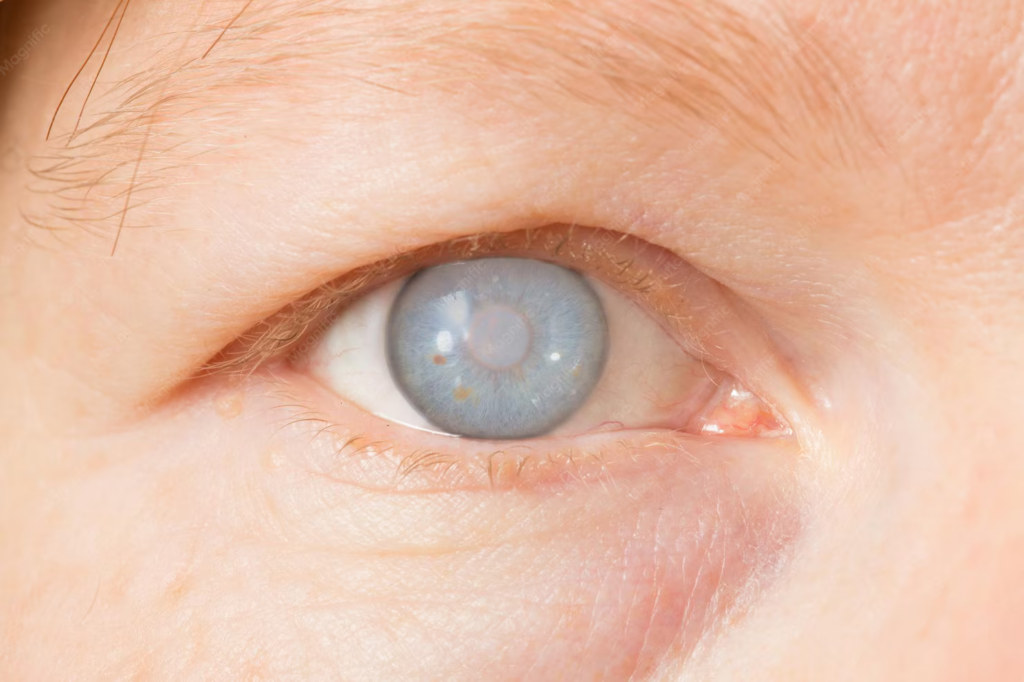
Glaucoma is one of those eye conditions that many people have heard of but few truly understand. It is often called the “silent thief of sight” because it can quietly damage vision over years without causing any obvious symptoms until real harm has already been done. This makes it one of the most important eye conditions to learn about, especially as we grow older.
Unlike many health problems that announce themselves with pain or discomfort, glaucoma tends to progress silently in the background. Many people considering Glaucoma Treatment in Pune are often surprised to learn just how much vision loss can occur before they even notice anything unusual. That is exactly why understanding this condition early matters so much.
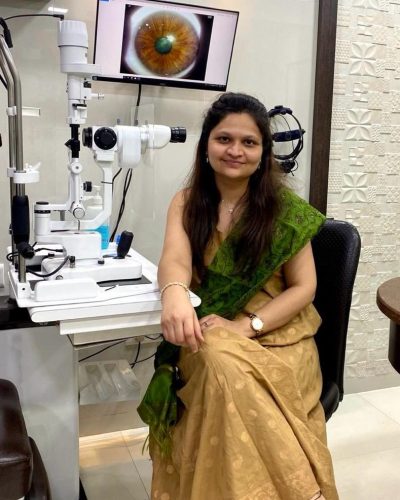
Dr. Bhaktee Thipase
Expert eye doctor offering advanced treatment for vision problems with care, precision.
What Exactly Is Glaucoma?
Glaucoma is a group of eye conditions that damage the optic nerve, which is responsible for carrying visual information from the eye to the brain. In most cases, this damage is linked to a buildup of pressure inside the eye, known as intraocular pressure. Over time, this pressure can slowly wear down the optic nerve fibers, leading to permanent vision loss if left untreated.
There are different types of glaucoma, with open-angle glaucoma being the most common. This form develops gradually over many years, often without any early warning signs. Angle-closure glaucoma, on the other hand, can develop suddenly and requires immediate medical attention, since it can cause a rapid rise in eye pressure along with pain, redness, and blurred vision.
Why Is It Called the Silent Thief of Sight?
The nickname “silent thief of sight” fits glaucoma perfectly because of how it steals vision so gradually that most people do not notice until significant damage has already occurred. In its early stages, glaucoma typically affects peripheral, or side, vision first. Since our eyes and brain are remarkably good at compensating for small changes, many people continue to function normally for a long time without realizing anything is wrong.
By the time central vision starts to be affected, a large portion of the optic nerve may already be damaged, and this kind of vision loss cannot be reversed. This is precisely why regular eye examinations are so crucial, as they can detect early changes long before a person notices any difference in how they see.
Who Is at Risk of Developing Glaucoma?
While anyone can develop glaucoma, certain factors increase the likelihood. People over the age of 40, those with a family history of the condition, individuals with diabetes or high blood pressure, and people who are highly nearsighted or farsighted tend to have a higher risk. Long-term use of certain medications, particularly steroids, can also contribute to elevated eye pressure over time.
Ethnicity plays a role as well, with some populations showing a higher predisposition to specific types of glaucoma. Because so many risk factors exist quietly in the background, routine screening becomes especially important for anyone who falls into one or more of these categories.
How Is Glaucoma Detected?
Detecting glaucoma early requires more than just a basic vision test. Eye doctors use specialized equipment to measure eye pressure, examine the optic nerve, and check the field of vision for any subtle changes. These tests are usually painless and take only a short amount of time, yet they can reveal problems long before a person would ever notice symptoms on their own.
Consulting an experienced Ophthalmologist in Swargate Pune for a comprehensive eye exam is one of the most effective ways to catch glaucoma in its earliest, most manageable stage. Early detection genuinely makes a significant difference in how well the condition can be controlled going forward.
Treatment Options for Glaucoma
While the vision already lost to glaucoma cannot be restored, treatment can help slow down or stop further damage. Eye drops are often the first line of treatment, working to reduce pressure inside the eye. In some cases, laser therapy or surgical procedures may be recommended if drops alone are not enough to control the pressure effectively.
For residents seeking specialized care nearby, options for Glaucoma Treatment in Swargate provide convenient access to consistent monitoring and treatment adjustments, both of which are essential for long-term management of this condition. Regular follow-up visits allow doctors to track eye pressure and adjust treatment as needed over time.
Understanding Eye Pressure and Why It Matters
Many people are surprised to learn that the eye is not a static, unchanging structure. It constantly produces and drains a small amount of fluid to maintain its shape and function. In a healthy eye, this fluid drains out at a steady rate, keeping pressure at a normal level. In glaucoma, however, this drainage system does not work as efficiently as it should, causing fluid to build up and pressure to rise.
It is worth noting that eye pressure alone does not tell the whole story. Some people can have higher-than-average pressure without ever developing optic nerve damage, while others develop glaucoma even with pressure readings that fall within a normal range. This is why doctors look at a combination of factors, including the appearance of the optic nerve and the results of visual field tests, rather than relying on pressure numbers alone.
The Emotional and Daily Life Impact
A glaucoma diagnosis can feel overwhelming at first, especially given its reputation as a condition that gradually steals vision. It is natural to feel anxious or uncertain about what the future holds. However, it helps to remember that with proper treatment and regular monitoring, most people are able to preserve enough vision to continue their daily activities comfortably for many years.
Simple adjustments can also make daily life easier for those managing more advanced stages of the condition. Improving lighting at home, reducing clutter to prevent falls, and using magnifying tools for reading are practical ways to adapt without feeling like independence is being taken away. Support from family members and open communication with your doctor can also make the journey feel far less isolating.
Common Myths About Glaucoma
There are several misconceptions surrounding glaucoma that can lead to unnecessary worry or, worse, delayed treatment. One common myth is that glaucoma only affects older adults, when in fact it can occur at any age, including in infants in rare congenital cases. Another myth is that glaucoma always causes noticeable symptoms, when in reality, the most common form often has none until vision loss has already progressed significantly.
Some people also believe that once vision is stable, treatment can be stopped. This is a dangerous assumption, since glaucoma is typically a lifelong condition that requires ongoing management, even when things seem to be going well. Stopping treatment without medical guidance can allow the condition to progress unnoticed once again.
Living Well With Glaucoma
A glaucoma diagnosis does not mean vision loss is inevitable. With consistent treatment, regular monitoring, and healthy lifestyle habits, many people manage the condition successfully for years without significant vision impact. Staying active, eating a balanced diet, managing blood pressure, can all support better eye health overall.
Final Thoughts
Glaucoma earns its nickname honestly, quietly progressing while leaving few clues until damage has already taken hold. The best defense against this silent thief is awareness and consistency. Regular eye exams, especially for those with known risk factors, remain the most reliable way to catch glaucoma early and protect vision for the years ahead.
Do not wait for symptoms to appear before scheduling an eye check-up. Since glaucoma often shows no warning signs until vision is already affected, proactive screening is the single most powerful tool available. Make eye health a regular part of your overall wellness routine, and you give yourself the best possible chance of preserving clear sight well into the future.
General Questions
No, glaucoma cannot be cured, but it can be managed effectively. Treatment focuses on controlling eye pressure to slow down or stop further damage to the optic nerve. Vision that has already been lost cannot be restored, which is why early detection is so important. With consistent treatment, regular monitoring, and lifestyle adjustments, most people are able to preserve their remaining vision and continue living full, active lives for many years.
No, most forms of glaucoma, especially open-angle glaucoma, cause no pain at all. This is part of why it is so dangerous, since people often do not realize anything is wrong until vision has already been affected. Angle-closure glaucoma is an exception, as it can develop suddenly and cause noticeable pain, redness, and blurred vision. This sudden type requires urgent medical attention to prevent rapid vision loss.
Most eye doctors recommend starting regular glaucoma screenings around age 40, especially if you have risk factors like family history, diabetes, or high blood pressure. However, people with additional risk factors may need earlier and more frequent screenings. Since glaucoma can occasionally affect younger individuals too, discussing your personal risk profile with your doctor helps determine the right screening schedule for your specific situation.
Yes, having a family history of glaucoma significantly increases your own risk of developing the condition. If a parent or sibling has been diagnosed, it is especially important to schedule regular eye exams, even if your vision feels completely normal. Genetics is just one of several risk factors, but it remains one of the most significant, making family history an important detail to share with your eye doctor.
Yes, alongside medical treatment, certain lifestyle habits can support better eye health. Regular exercise, a balanced diet, managing blood pressure, and limiting excessive caffeine intake may all contribute to healthier eye pressure levels. These habits should never replace prescribed treatment, but they can work alongside it to support overall wellbeing and potentially improve long-term outcomes for people managing glaucoma.
If left untreated, glaucoma can lead to progressive and irreversible vision loss, eventually resulting in complete blindness in severe cases. Since damage to the optic nerve cannot be reversed, delaying treatment allows the condition to advance further, often without any warning signs. This is why routine screening and prompt treatment are so critical, particularly for those with known risk factors for the condition.
No, while eye drops are usually the first line of treatment, they are not the only option. If drops alone do not sufficiently control eye pressure, doctors may recommend laser therapy or surgical procedures. The right treatment approach depends on the type and severity of glaucoma, along with how well a person responds to initial treatments. Your doctor will tailor the plan to your specific needs.
Yes, absolutely. Many people diagnosed with glaucoma continue to lead full, active lives with proper treatment and regular monitoring. The key is staying consistent with prescribed treatment, attending follow-up appointments, and making small lifestyle adjustments if needed. Early detection combined with ongoing care allows most people to preserve enough vision to comfortably continue their daily routines for many years to come.
Note : This article is intended for general educational purposes only. It is not a substitute for professional medical advice, diagnosis, or treatment. Please consult a qualified eye specialist for guidance tailored to your individual needs.