

How Often Should I Get My Eyes Checked?
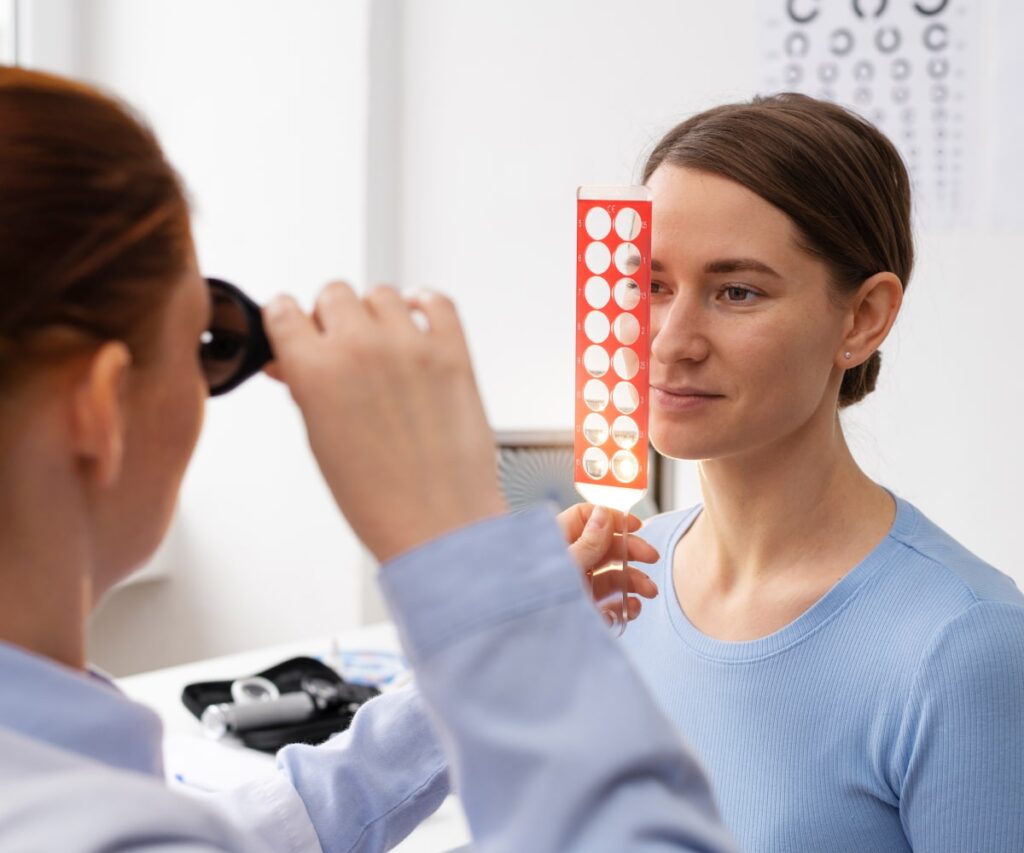
How Often Should I Get My Eyes Checked?
A complete guide to eye examination schedules, risk groups, and when to visit an eye specialist in Pune — without waiting for symptoms to appear.
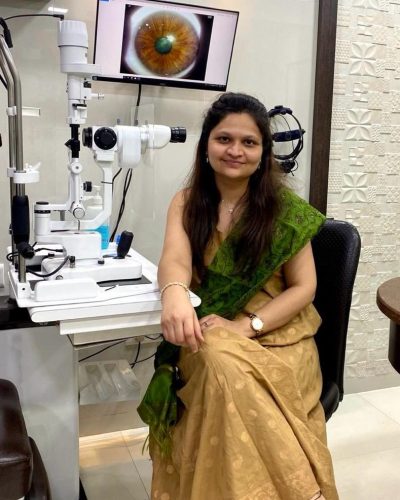
Dr. Bhaktee Thipase
Expert eye doctor offering advanced treatment for vision problems with care, precision.

Introduction
Most of us only think about visiting an eye doctor when something seems wrong — blurred vision, persistent redness, or an irritating itch that won’t go away. But here is the truth that eye specialists emphasise every single day: many serious eye conditions develop silently, with no pain, no obvious warning signs, and no noticeable change in vision until the damage is already significant.
Regular eye checkups are not just about updating your glasses prescription. They are a critical window into your overall health, capable of detecting conditions like glaucoma, diabetic retinopathy, hypertension-related eye changes, and early cataracts — all before you experience a single symptom.
In neighbourhoods like Swargate, Sahakar Nagar, Mukund Nagar, Katraj, and Dhankawadi, increasing screen time, rising rates of diabetes and hypertension, urban air pollution, and sedentary office lifestyles are contributing to a growing burden of eye problems across all age groups — from children developing myopia to working adults struggling with dry eyes and digital strain, to seniors facing cataract and retinal conditions.
“Your eyes can look perfectly normal in the mirror and still be silently losing sight. The only way to know for certain is a comprehensive eye examination.”
This guide will help you understand exactly how often you should get your eyes checked, which conditions deserve extra vigilance, and when it is time to stop waiting and make that appointment.
Why Are Regular Eye Checkups Important?
A routine eye examination does far more than test how clearly you can read letters on a chart. Here is why making them a regular habit matters so much:
- Early detection of serious eye diseases. Conditions like glaucoma, macular degeneration, and diabetic retinopathy cause irreversible damage before they cause noticeable symptoms. Early detection is the only way to prevent permanent vision loss.
- Keeping vision correction up to date. Your prescription can change gradually, causing headaches, eye strain, and reduced quality of life without you realising it is your glasses or contact lenses that need updating.
- Monitoring eye pressure. Elevated intraocular pressure is a key risk factor for glaucoma — a condition that silently destroys peripheral vision. Routine checks measure this painlessly.
- Detecting diabetes and hypertension-related eye changes. The retina is the only place in the body where blood vessels can be directly observed without surgery. An eye examination can reveal early signs of systemic conditions that your general physician may not yet have flagged.
- Preventing avoidable vision loss. A large proportion of blindness worldwide is preventable or treatable if caught in time. Regular eye visits are your most effective preventive tool.
How Often Should Adults Get Their Eyes Checked?
The answer depends primarily on your age, and secondarily on your personal health history and risk factors. Here is a straightforward breakdown:
| Age Group | Recommended Frequency | Key Focus Areas |
|---|---|---|
| Children (6 months – 5 years) | At 6 months, again at age 3, then before starting school | Lazy eye, squinting, misaligned eyes, early refractive errors |
| School-age children & teenagers (6–19 years) | Every 1–2 years, or yearly if wearing glasses or contact lenses | Myopia progression, digital eye strain, colour vision |
| Adults aged 20–39 years | Every 2 years if no risk factors; annually with risk factors | Refractive errors, early glaucoma screening, dry eye |
| Adults aged 40–64 years | Every 1–2 years | Presbyopia, early cataract, glaucoma, retinal health |
| Senior citizens (65 years and above) | Annually or more frequently as advised | Cataract, macular degeneration, glaucoma, diabetic retina |
and risk factors. Here is a straightforward breakdown:Important note for parents in Swargate and Katraj: Many children develop refractive errors — particularly myopia — without complaining about their vision, simply because they have nothing to compare it against. A school-age eye exam is not optional; it is a foundation for your child’s learning and development.
Who Needs More Frequent Eye Checkups?
Certain individuals are at significantly higher risk of developing eye conditions and should not wait for the standard schedule. If any of the following apply to you, speak to an eye specialist in Pune about a more personalised examination plan:
- Diabetic patients
- Family history of glaucoma
- Contact lens users
- Heavy computer or screen users
- People with chronic dry eyes
- Individuals with eye allergies
- Elderly patients above 60
- History of eye injury or surgery
- High myopia (strong minus power)
- Hypertension patients
For these groups, annual comprehensive eye checkups are not just a recommendation — they are a medical necessity. People living in urban areas like Mukund Nagar and Dhankawadi, where air pollution, dust, and allergens are common triggers, may also benefit from more frequent consultations if they experience recurrent eye irritation or infections.
The Importance of Diabetic Retina Checkups
Diabetes is one of the leading causes of blindness among working-age adults in India — and it affects the eyes in a way that can be completely silent for years. Diabetic retinopathy occurs when consistently high blood sugar levels damage the delicate blood vessels that supply the retina, eventually causing them to leak, bleed, or grow abnormally.
What makes this particularly dangerous is that vision often remains normal until the disease is at an advanced stage. By the time blurring or distortion appears, the damage may already be extensive.
Why every diabetic patient needs an annual retina evaluation
- Diabetic retinopathy is present in approximately one in three people with diabetes — most of whom have no eye symptoms.
- Early-stage disease can be monitored and managed to prevent progression; advanced disease is far harder to treat.
- A retina specialist in Pune can detect microscopic haemorrhages, fluid accumulation (macular oedema), and new vessel growth long before your vision is affected.
- Blood sugar control alone is not sufficient protection — retina screening must accompany it.
If you or a family member has been diagnosed with Type 1 or Type 2 diabetes, a dedicated diabetic retina checkup every year — or every six months if retinopathy is already present — is one of the most important health appointments you can keep.
Common Eye Problems That Need Medical Attention
Several eye conditions are routinely encountered in everyday clinical practice. Understanding them helps you seek care at the right time rather than waiting for things to worsen.
Dry Eyes
Dry eye disease is increasingly common, especially among office workers and those who spend extended hours on computers or mobile devices. It causes a burning, gritty sensation, intermittent blurring, and paradoxically — excessive watering. Effective dry eye treatment depends on accurately identifying whether the cause is reduced tear production or rapid tear evaporation, which requires a clinical assessment.
Eye Allergies
Pollen, dust mites, pet dander, and air pollution are all common triggers for eye allergy symptoms — intense itching, redness, swelling of the eyelids, and watery discharge. In cities like Pune, seasonal allergies can be significant. Proper eye allergy treatment goes beyond antihistamine eye drops; it requires identifying the underlying trigger and selecting the right therapeutic approach.
Red Eyes
Persistent redness is one of the most common reasons people visit an eye clinic in Swargate. It can result from anything as simple as dust exposure or prolonged screen use, to more serious conditions like conjunctivitis, uveitis, or elevated eye pressure. Red eye treatment depends entirely on the cause — which makes a proper examination essential before reaching for over-the-counter drops.
Refractive Errors
Myopia, hyperopia, and astigmatism are extraordinarily common, and the numbers are growing — particularly in children and young adults. Updated spectacles or contact lenses, and in suitable patients, surgical correction, can make a transformative difference to quality of life.
Cataracts and Glaucoma
Both are age-related conditions that progress slowly and silently. Cataract causes a gradual, painless clouding of vision; glaucoma destroys peripheral vision so subtly that patients often do not notice until significant damage has occurred. Both are treatable — but outcomes are far better with early detection.
Symptoms You Should Never Ignore
While routine checkups are about catching silent disease, some symptoms demand prompt attention. Do not wait for a scheduled appointment if you experience any of the following:
- Sudden blurred or distorted vision
- Persistent or severe eye redness
- Eye pain that does not settle
- New floaters or flashes of light
- Headaches with eye strain or pain
- Excessive watering or discharge
- Double vision (new onset)
- Light sensitivity
- Sudden loss of part of your visual field
These symptoms can indicate conditions ranging from acute angle-closure glaucoma and retinal detachment to corneal infections — all of which benefit enormously from urgent evaluation.
What Happens During a Comprehensive Eye Examination?
A comprehensive eye checkup at a well-equipped eye clinic in Swargate typically involves the following:
- Vision testing (refraction): Measuring how well you see at various distances and, if needed, calculating a precise glasses or contact lens prescription.
- Eye pressure measurement: A quick, painless test to screen for glaucoma risk by checking the fluid pressure inside each eye.
- Slit lamp examination: A detailed microscopic inspection of the front of the eye — cornea, lens, and anterior chamber — to detect infections, cataracts, or inflammation.
- Retina evaluation (fundus examination): Using drops to dilate the pupils, the doctor examines the retina, optic nerve, and blood vessels at the back of the eye. This is essential for diabetic retina checkups and for detecting macular degeneration or early glaucomatous changes.
- Dry eye assessment: Tests to measure tear quality and quantity, helping guide targeted dry eye treatment.
- Allergy-related eye examination: If relevant, the conjunctiva and eyelid margins are examined for signs of chronic allergic disease, and a management plan is discussed.
The entire examination typically takes 30 to 45 minutes. If dilating drops are used, you may experience mild blurring for two to three hours afterward — it is advisable to arrange transport rather than driving yourself.
How Screen Time and Lifestyle Affect Eye Health
In today’s work environment — particularly among professionals and students in areas like Sahakar Nagar and Mukund Nagar — many people spend eight to twelve hours per day looking at screens. The cumulative effect on eye health is real and increasingly well-documented.
Digital Eye Strain
Also known as computer vision syndrome, digital eye strain causes tired eyes, end-of-day headaches, blurred vision, and neck and shoulder stiffness. The culprit is sustained near focus combined with reduced blinking — people blink up to 60% less when looking at screens, causing rapid evaporation of the tear film.
The Dry Eye Connection
Reduced blinking is the primary driver of screen-related dry eyes. This is compounded by dry office air conditioning and the high concentration required by detailed screen work. Many people dismiss these symptoms as tiredness rather than seeking appropriate dry eye treatment.
Preventive Habits That Make a Real Difference
- Apply the 20-20-20 rule: every 20 minutes, look at something 20 feet away for 20 seconds.
- Ensure your screen is positioned slightly below eye level and at arm’s length.
- Use artificial tear drops if your optometrist recommends them.
- Maintain adequate room lighting — working in a dark room with a bright screen is particularly taxing.
- Take regular breaks, get up, and allow your eyes to rest.
Why Choose an Experienced Eye Specialist in Pune?
Not all eye care is equal. A properly equipped eye specialist offers diagnostic capabilities that go well beyond a basic eye test, including OCT (Optical Coherence Tomography) for retinal imaging, corneal topography, visual field assessment, and specialised testing for dry eye and allergy management.
When you consult an experienced eye doctor in Swargate Pune, you benefit from personalised diagnosis rather than a one-size-fits-all approach. This means treatment plans designed around your specific lifestyle, occupation, age, and health conditions — not simply a new glasses prescription handed across the counter.
Long-term relationship with an eye specialist also means continuity of care: your doctor knows your baseline, can track subtle changes over time, and can intervene before small problems become large ones.
When Should You Visit an Eye Doctor Immediately?
Some eye conditions cannot wait for a routine appointment. If you experience any of the following, please visit an eye clinic or emergency service without delay:
- Sudden significant loss of vision
- Severe or worsening eye pain
- Any eye injury (chemical or physical)
- Sudden onset of many new floaters
- Flashes of light with or without floaters
- A dark curtain or shadow across your vision
- Extreme light sensitivity with headache
Conditions like acute retinal detachment, acute angle-closure glaucoma, and penetrating eye injuries have narrow treatment windows. Prompt care is the difference between preserved sight and permanent loss.
General Questions
Yes, absolutely. Conditions such as glaucoma, diabetic retinopathy, hypertensive retinopathy, and early macular degeneration can all cause significant structural damage to the eye long before the patient notices any change in vision. By the time symptoms appear, the window for optimal treatment may already have narrowed. This is precisely why routine comprehensive eye checkups are so important — even when you feel your eyes are perfectly fine.
All patients with diabetes — whether Type 1 or Type 2 — should have a dedicated diabetic retina checkup at least once a year. If diabetic retinopathy has already been detected, the frequency increases to every six months or more regularly depending on severity. This appointment should specifically include dilated retina evaluation by an experienced retina specialist in Pune, not merely a standard vision test.
Extended screen use does not permanently damage the eyes in most people, but it does cause significant discomfort through digital eye strain and dry eyes. It also appears to contribute to the progression of myopia in children. The symptoms — tired eyes, headaches, blurred vision toward the end of the day, and gritty or burning sensations — are real and treatable. Your eye doctor can assess whether dry eye treatment or blue-light-filtering lenses would benefit you.
Dry eye disease is extremely common among people who work at computers for extended periods. Prolonged screen use reduces blinking frequency, air conditioning dries the office environment, and sustained concentration makes the problem worse. Many office workers in Sahakar Nagar, Mukund Nagar, and across Pune experience symptoms but attribute them to tiredness rather than dry eye disease. Effective dry eye treatment — ranging from lubricating drops to specialised in-clinic procedures — is available once an accurate assessment is made.
The first eye examination is recommended at around 6 months of age, to check for structural abnormalities, eye alignment problems, or early refractive errors. A second check is recommended at age 3, and again just before starting school. After that, annual or biennial assessments are appropriate. Children rarely complain about poor vision because they have no reference point — making regular screening by an eye specialist essential for their educational development.
Yes, in several ways. Severe allergic conjunctivitis can cause enough corneal involvement to temporarily blur vision. Persistent rubbing of itchy eyes can distort the corneal surface over time. Some forms of allergic eye disease can also lead to scarring if untreated. Effective eye allergy treatment protects not just against the itch and redness, but also the long-term health of the corneal and conjunctival surfaces.
Redness can result from a wide range of causes: dryness, allergy, infection, a broken blood vessel, excessive screen use, contact lens overuse, elevated eye pressure, or inflammation inside the eye. Over-the-counter redness-relieving drops often mask the symptom without addressing the underlying cause — and some can cause rebound redness with extended use. Persistent or recurrent red eye should always be evaluated by an eye doctor in Swargate Pune to identify the true cause and provide appropriate red eye treatment.
Conclusion: Don't Wait for Symptoms to See Your Eye Doctor
Your vision is not something to take for granted or put off dealing with until there is an obvious problem. The eye conditions that cause the most irreversible harm — glaucoma, diabetic retinopathy, retinal detachment — are precisely the ones most likely to be silent in their early stages.
Regular eye checkups are one of the simplest, most effective forms of preventive healthcare available to you. They take less than an hour, cause no discomfort, and can detect problems when they are still eminently treatable.
Whether you live in Swargate, Sahakar Nagar, Mukund Nagar, Katraj, or Dhankawadi — whether you are a child due for a school-age vision screen, a working professional with screen fatigue, a diabetic patient who has not had a retina evaluation this year, or simply someone who cannot remember the last time they visited an eye specialist — the right time to book that appointment is now.
Don’t wait for a warning sign that may never come. Schedule a comprehensive eye checkup with an experienced eye doctor in Swargate, Pune today — and invest in a lifetime of clear, healthy vision.
Note : This article is intended for general educational purposes only. It is not a substitute for professional medical advice, diagnosis, or treatment. Please consult a qualified eye specialist for guidance tailored to your individual needs.